Shared Flavors , Shared Memories
Between Dakdoritang & Dakbokkeumtang
I thought I knew the dish. Then I realized I didn’t know what to call it.

I thought I knew the dish. Then I realized I didn’t know what to call it.

I knew what dinner would be when my mom came home from the dakjip (닭집) with a chopped, bone-in chicken.
The butcher had already done the work: cleaving through bone, cutting the pieces smaller than they seemed they should be. Even the legs were split. The cuts were rough, sometimes leaving small splinters of bone, but that was part of it. It meant the sauce could reach everything.
Spicy, garlicky, salty, a little sweet. The chicken would simmer with potatoes, carrots, and onions, the sauce thickening as it cooked. I would pull a piece into my bowl of rice, letting the red, oily broth soak in, the grains turning glossy as they absorbed it.
I didn't think about what to call it. It was just dinner.
Years later, I came across a recipe on The New York Times Cooking, the same spicy chicken stew I grew up eating. They called it dakdoritang (닭도리탕). The surprise caught me off guard. Growing up, I had been taught not to use that word. Around the time I began to love the dish, I was told to call it something else: dakbokkeumtang (닭볶음탕).

Like most Koreans, I know the dish by both names. But I carried the sense that one of them was the right one. In 1992, the National Institute of Korean Language promoted the newer name as a "pure Korean" alternative. That framing shaped how my generation learned the word.
Dakdoritang was the name I learned first. But the "dori" became controversial, often believed to come from the Japanese tori, meaning chicken. Given Korea's colonization by Japan, even a hint of Japanese origin carries weight.
The replacement, dakbokkeumtang, was assembled from Korean parts: dak (chicken), bokkeum (stir-fried), tang (stew). But it combines two cooking methods and feels slightly forced. The older name feels natural but remains questionable. The newer one is official but not entirely intuitive.
In practice, the two coexist. Official menus use dakbokkeumtang. In everyday speech, dakdoritang persists. It appears in international recipes, design templates, casual conversation, suggesting that some words resist being rewritten.
I catch myself doing the same with other words. Odeng (오뎅) comes out before I correct to eomuk (어묵). Udon before garak-guksu. The older word arrives first, almost automatically, and the correction follows. It is not that I don't know the standard term. It is that the other one is already there.
Some words have fully disappeared. Dakkwang, the old name for the pickled yellow daikon that comes with jjajangmyeon, now feels distant, something from my grandparents' generation. It has been replaced completely by danmuji.
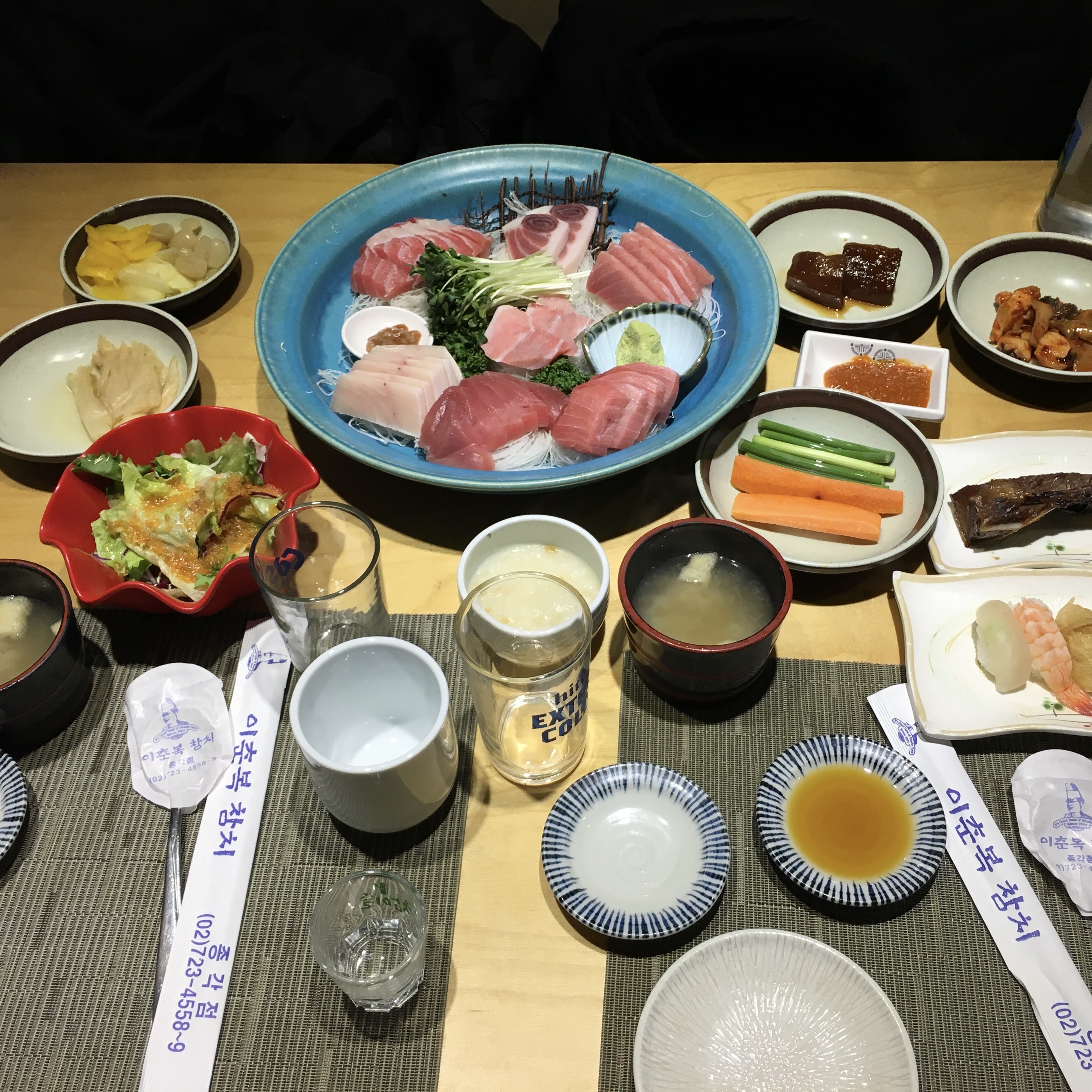
Others resist translation altogether. Seukkidasi (스끼다시), from the Japanese tsukidashi, refers not just to side dishes but to a specific dining rhythm in a hoetjib, food arriving in a particular order and abundance. You could call them gyeotdeuri-chan or mitbanchan, but those describe the function, not the experience. The word carries a world that its replacements cannot hold.
And then there is chikin (치킨). The word Koreans use for fried chicken. No one questions it. "치킨 먹자," "치킨 시킬까?" There is a Korean alternative, dak-twigim, literally "fried chicken," but no one calls it that. The word comes from English, just as clearly as some of the words we were taught to avoid come from Japanese.
But it was never corrected.
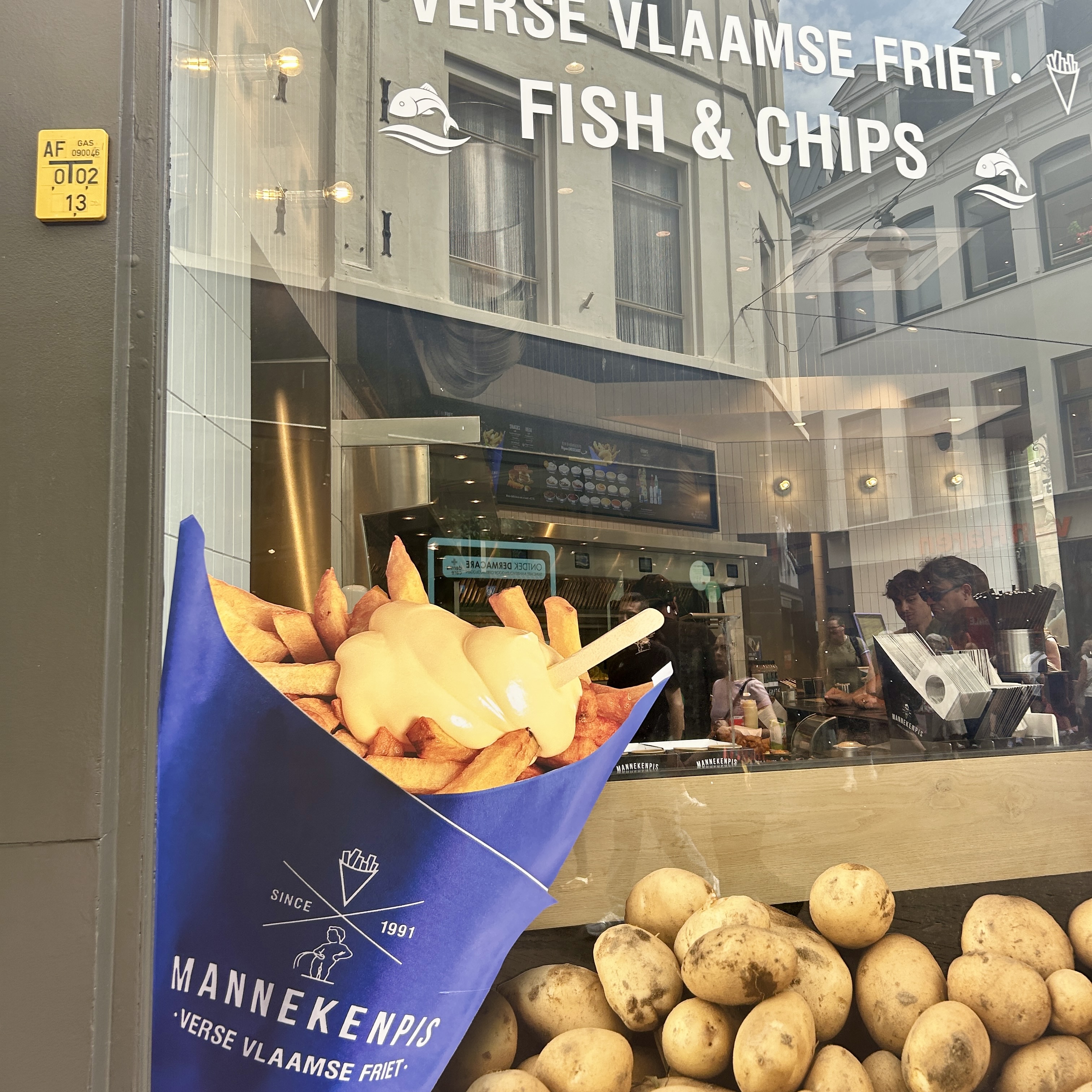
I remember ordering French fries in the Netherlands. The server smiled and asked, "You mean patatje?" A small correction, almost casual, but I felt it. I had used a word that was perfectly understandable, yet not quite right for that place. The difference was subtle. "French fries" would confuse no one, but patat was what people actually said. The correction pointed to local habit, not history.
In Korea, the correction points somewhere else. Not to what people say, but to what they are told they should say, and why. The difference is not linguistic. It is historical.
I still hesitate sometimes. Not because I don't know the words, but because I know too many of them. Dakdoritang comes to mind, then dakbokkeumtang follows. Neither feels entirely wrong. Neither feels entirely settled.
The words I use are no longer just names. They carry traces of where they came from, who taught them to me, and what I was told to replace.