Shared Flavors , Shared Memories
When Donkkaseu Was Special
Going to a gyeongyangsik restaurant meant something. The soup wasn't very good, but it arrived in a bowl we never used at home, and that alone made it feel different.

Going to a gyeongyangsik restaurant meant something. The soup wasn't very good, but it arrived in a bowl we never used at home, and that alone made it feel different.

There was a time when going out for donkkaseu (돈까스) meant something. We didn't step into a restaurant lightly; celebrations were our excuse. I still feel the excitement of the morning my brother graduated from elementary school. Everyone was heading for the same small gyeongyangsik (경양식) restaurant that served my favourite dish. We weren't even sure we'd get a table. I hoped my mother had called ahead.
Before the main dish, there was always soup. You could choose cream or vegetable, though both were the same roux-thickened broth you could find in a supermarket packet. It wasn't particularly good, but it arrived in a wide, shallow bowl we never used at home, and that alone made it feel different.
Then came another choice: bread or rice. I always chose bread. Rice was what we ate every day; coming here to eat rice again felt wasteful. Bread meant small morning rolls with strawberry jam. Sweetness wasn't a note that belonged on a Korean dining table, so spreading jam on those rolls felt like a tiny act of rebellion. The rice, when people ordered it, was spread thinly across a flat plate and sometimes dusted with sesame seeds, as if dressing up the ordinary.
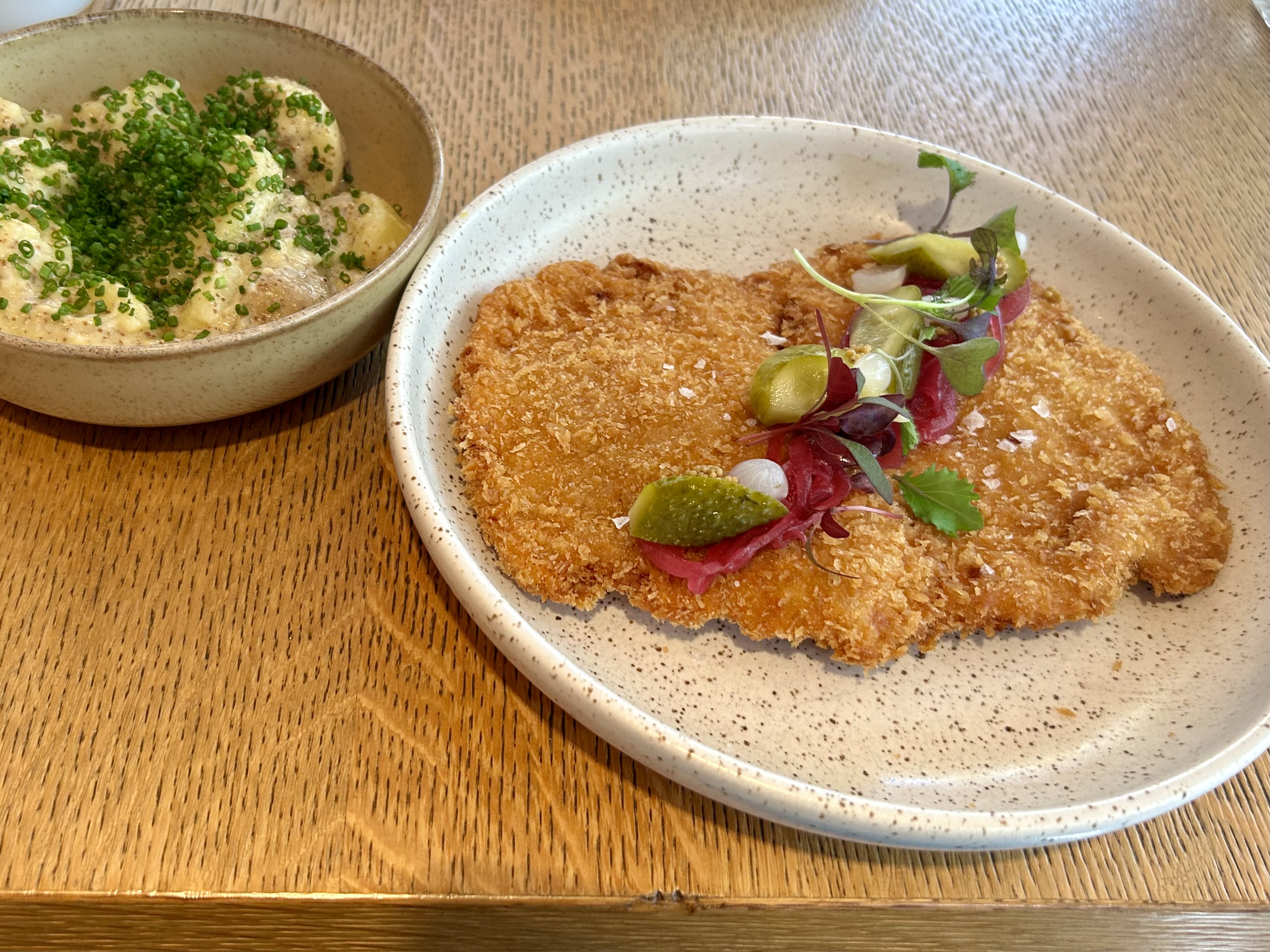
When the donkkaseu came, it took over the plate. The pork cutlet was pounded thin but fried large, topped with a sweet brown sauce that pooled around it. On the side were finely shredded cabbage, a scoop of macaroni salad, and a few pieces of danmuji (단무지). Kimchi never appeared, but something pickled and crunchy always did. The combination might have seemed odd, but it was ours.
What really marked the meal as foreign was the cutlery. At home we ate with chopsticks and spoons. Here, we were given a knife and fork, and no one quite knew what to do. I would cut all my pieces at once and then set the knife aside, eating with just the fork. Sometimes my mother would quietly cut it for me. Even figuring out how to hold unfamiliar utensils was part of the experience. We sat up straighter, spoke more softly, and pretended we were somewhere grander than we were.
There were other places to mark occasions. The junggukjip (중국집) was another option. But Western-style food felt more distant and somehow more aspirational than dishes shaped by our neighbours. Jjajangmyeon with its dark bean sauce felt comforting and familiar; donkkaseu with its sweet gravy felt exotic. I was happy either way, but they felt like different kinds of treats.
Back then I didn't think about where donkkaseu had come from. The breaded cutlet traveled through Japan before it reached Korea, arriving first as tonkatsu (とんかつ), part of yōshoku (洋食), a genre of Western-influenced cooking that Japan had made its own before passing it on. By the time it crossed the sea again, it had changed once more.
When I finally tried Japanese-style tonkatsu, it was clearly a cousin to the dish of my childhood, but a different one. The cutlet was smaller and much thicker, already sliced, no knife needed, just chopsticks. Rice came in a familiar bowl, not spread flat on a plate. Miso soup replaced cream soup. Shredded cabbage and danmuji were still there, but the meal felt efficient, not ceremonial. The sauce was less sweet. It was familiar and different at the same time.
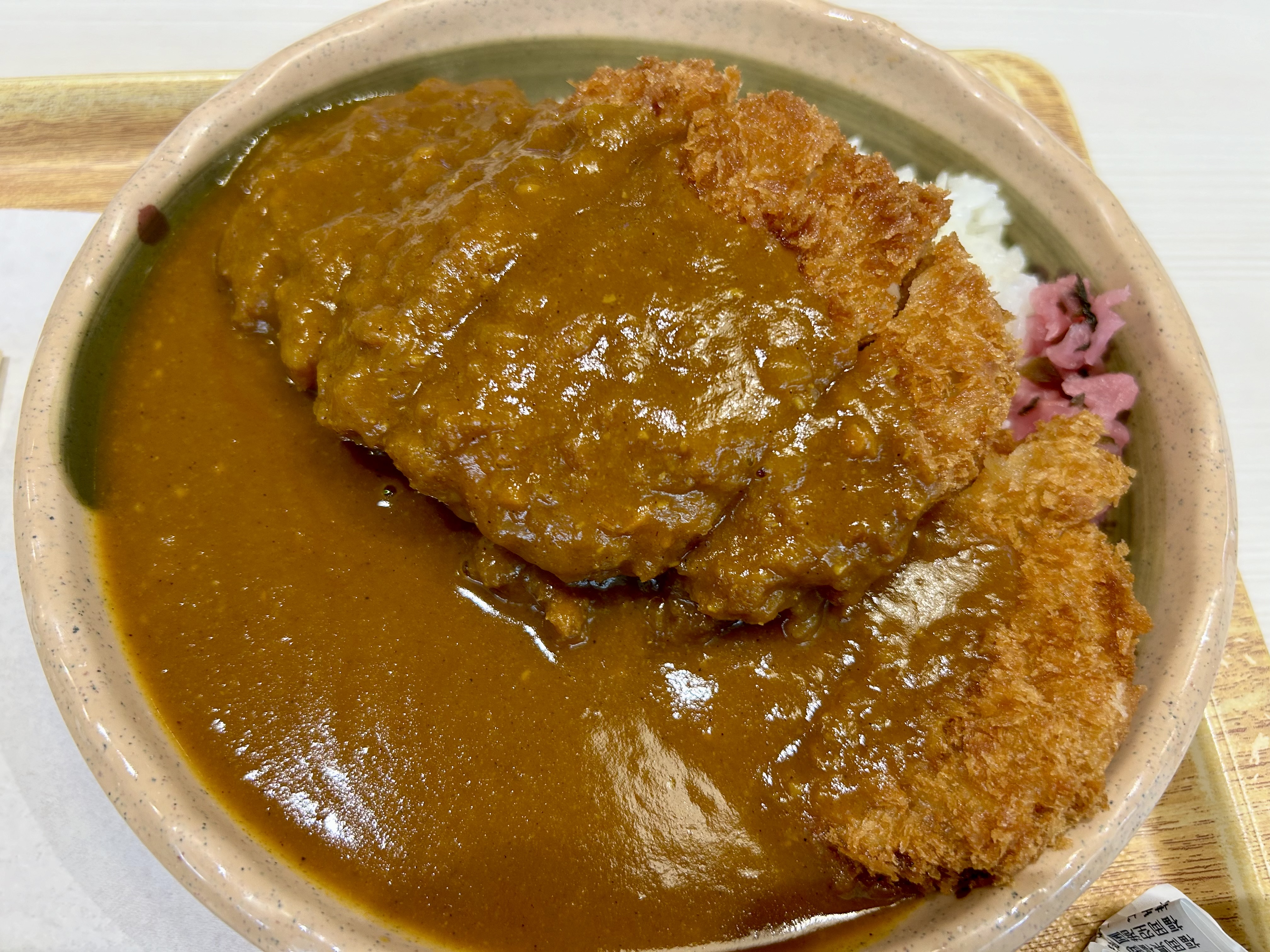
That older style of donkkaseu that carried the sense of occasion is now rare. You can still find it at bunsikjip (분식집), sometimes labelled "old-fashioned donkkaseu," but what was once reserved for graduations and birthdays has quietly become everyday food.
The same journey, special to ordinary, happened to the cutlet everywhere it landed. In Hungary, bécsi szelet arrives at the table as one item among several, eaten with a knife and fork without ceremony, often on a weekday. In the gyeongyangsik restaurants of my childhood, the same technique produced something that felt like theatre. The cutlet was bigger, sweeter, and came with a supporting cast of details designed to signal that this was not an ordinary meal.
What I remember most isn't the taste of the pork. It's the jam on the rolls, the soup in the wide shallow bowl, the careful way I held the fork. A dish that arrived from far away became, for a while, the way we marked the days that mattered.