About
Explore
Stories
Connect
Shared Flavors , Shared Memories
The Stories
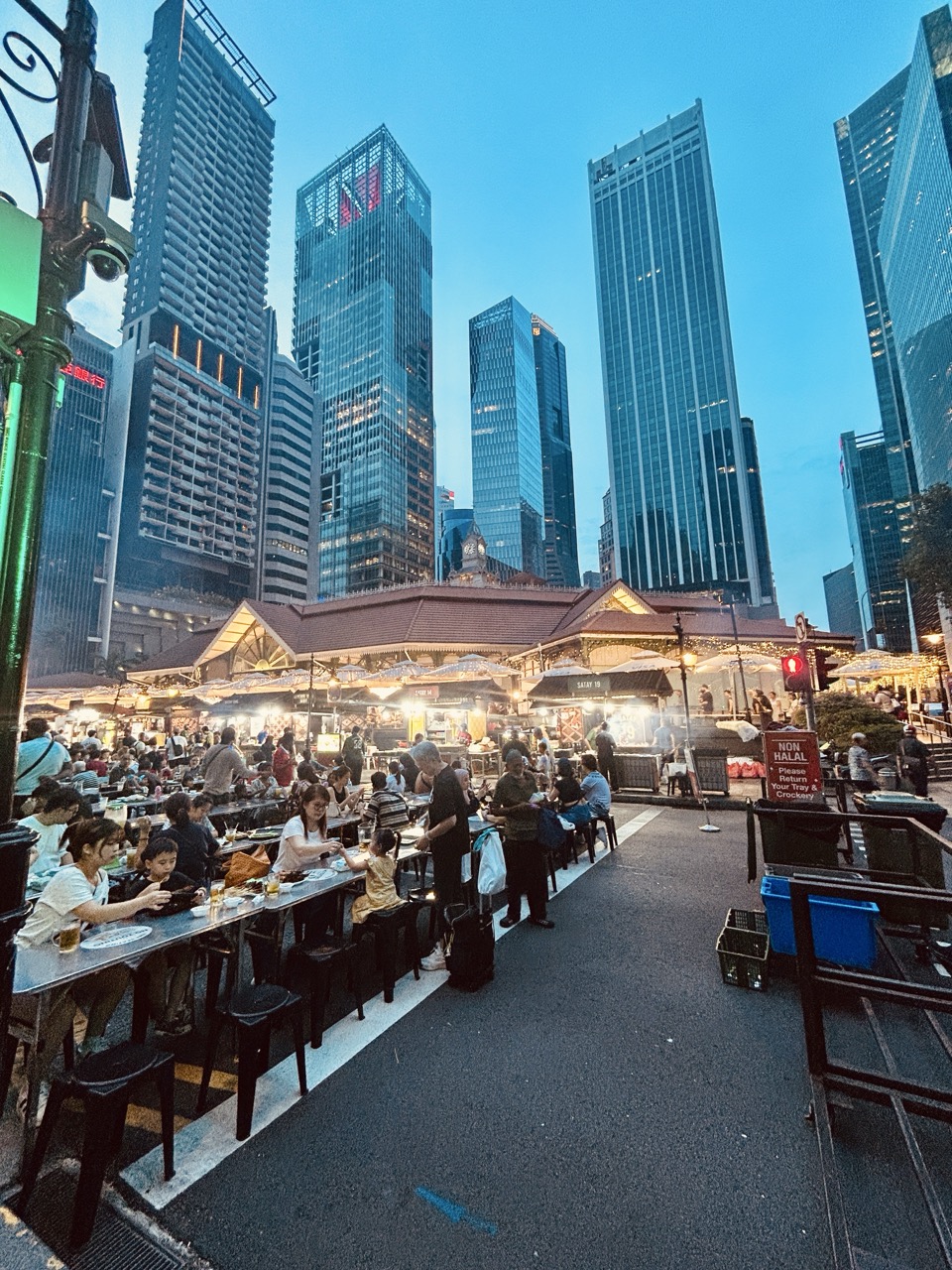
Convenience That Keeps You Moving
Convenience food isn’t just about speed. In cities shaped by movement, it becomes part of how people pause, warm up, and keep going.
Fried Dough and the Shape of a Season
Fried dough arrives at different moments of the year. In winter streets, at carnival’s end, in office kitchens, and in markets, it carries timing as much as taste.
How Jjajangmyeon Became Korean
What felt like childhood comfort began as migrant survival food. Jajangmyeon traces how dishes travel, change, and become local.
From Pindakaas to Saté: A Shared Food History
Peanut butter on bread. Peanut sauce on fries. The same ingredient, shaped by migration and everyday habits.
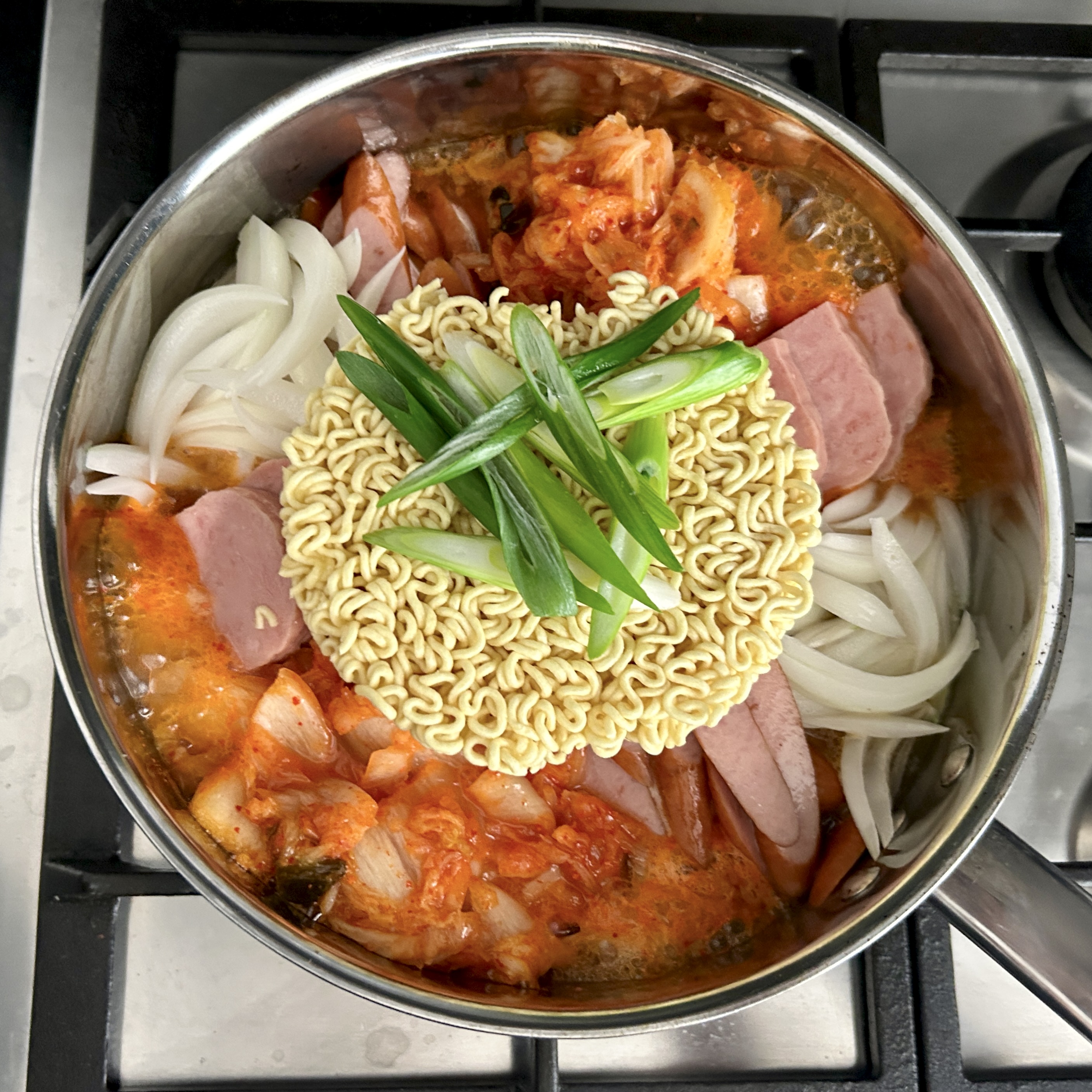
Ramyeon Beside Rice
From policy to pocket money, ramyeon became Korean not by replacing rice, but by standing beside it.
From Döner to Taco: A Structure in Motion
A rotating spit, repeated across continents. From döner to shawarma to taco al pastor, one cooking method reveals a history of migration.
Aranygaluska: The One Sweet I Do Not Refuse
It looks like cake, but it behaves like bread. Aranygaluska is the one sweet that feels grounded rather than indulgent.
Why Cilantro Tastes Like Soap to Me
Cilantro, cumin, garlic. And the question of how taste is learned.
Around the Grill: Samgyeopsal (삼겹살)
More than pork belly, samgyeopsal is about time, heat, and the way a table pulls people together.
Anju: When Drinks Meet Food
Across cultures, drinks ask for food. From Granada to Seoul, this is a story about anju and the tables that bring people together.
From the North, Carried South
What began as a way to survive, a fermented dish made from unsold fish, became something carried across loss, war, and generations.
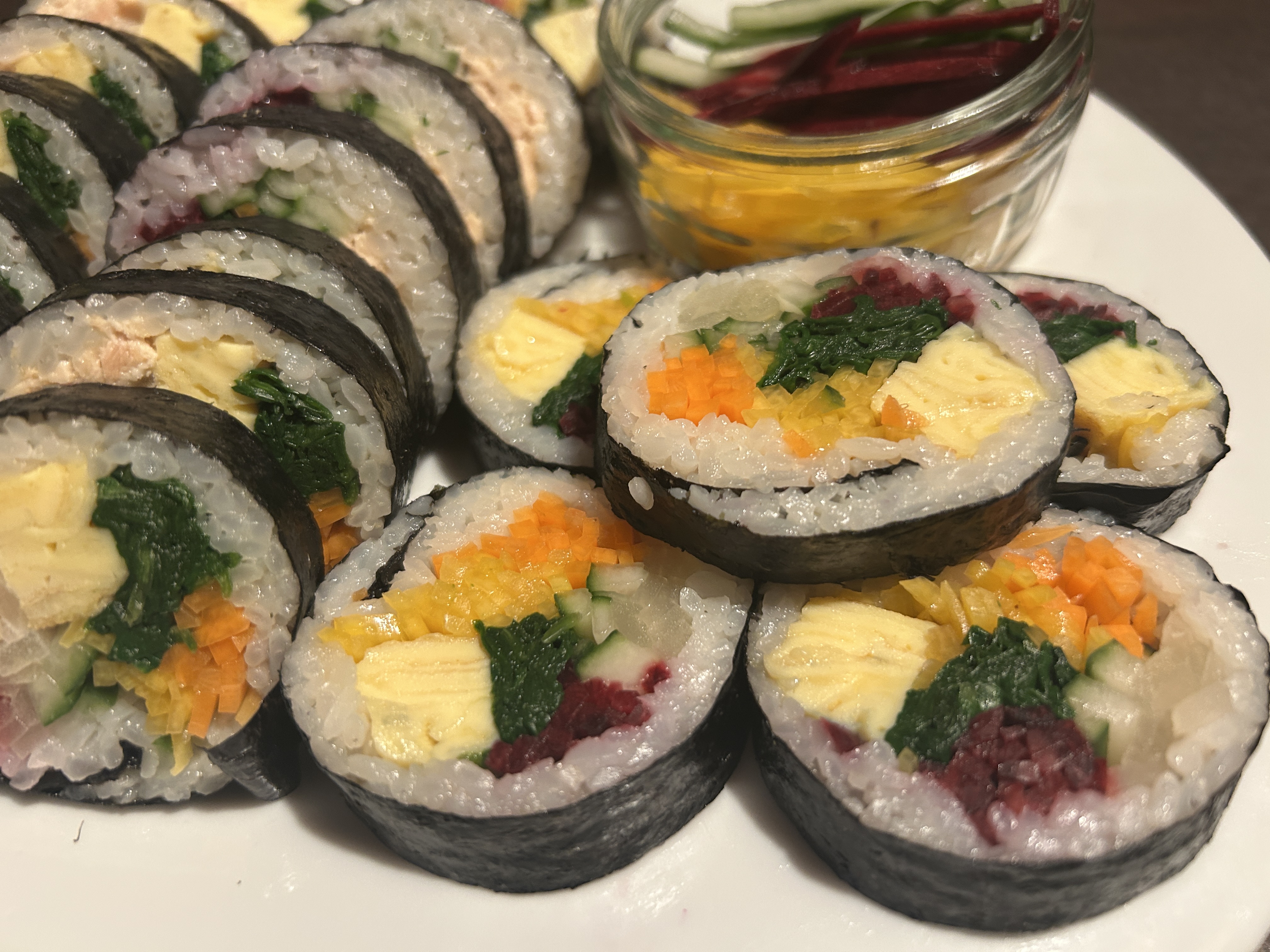
The Best Cake in the World
The best cake in the world isn’t sweet. It’s wrapped in seaweed and made with love.
Dining Etiquette: Rules, Memories, and Changing Norms
In one country, slurping is rude. In another, it’s a compliment. From Korea to Japan to France, this is a story about how table rules shape, and reshape, the way we eat together.
Too Late for Lunch, Too Early for Dinner
Between lunch and dinner lies a quiet lesson in patience and the many ways the world measures time through food. Every culture eats on its own clock; the hours between meals tell their own story.
Sikgu (식구): Mouths That Eat Together
What does it mean to eat together? A meal is never just food; it’s a table, a gesture, and a relationship. This is a story about 식구 (sikgu), the mouths that eat together, and how sharing a meal becomes a way of belonging.
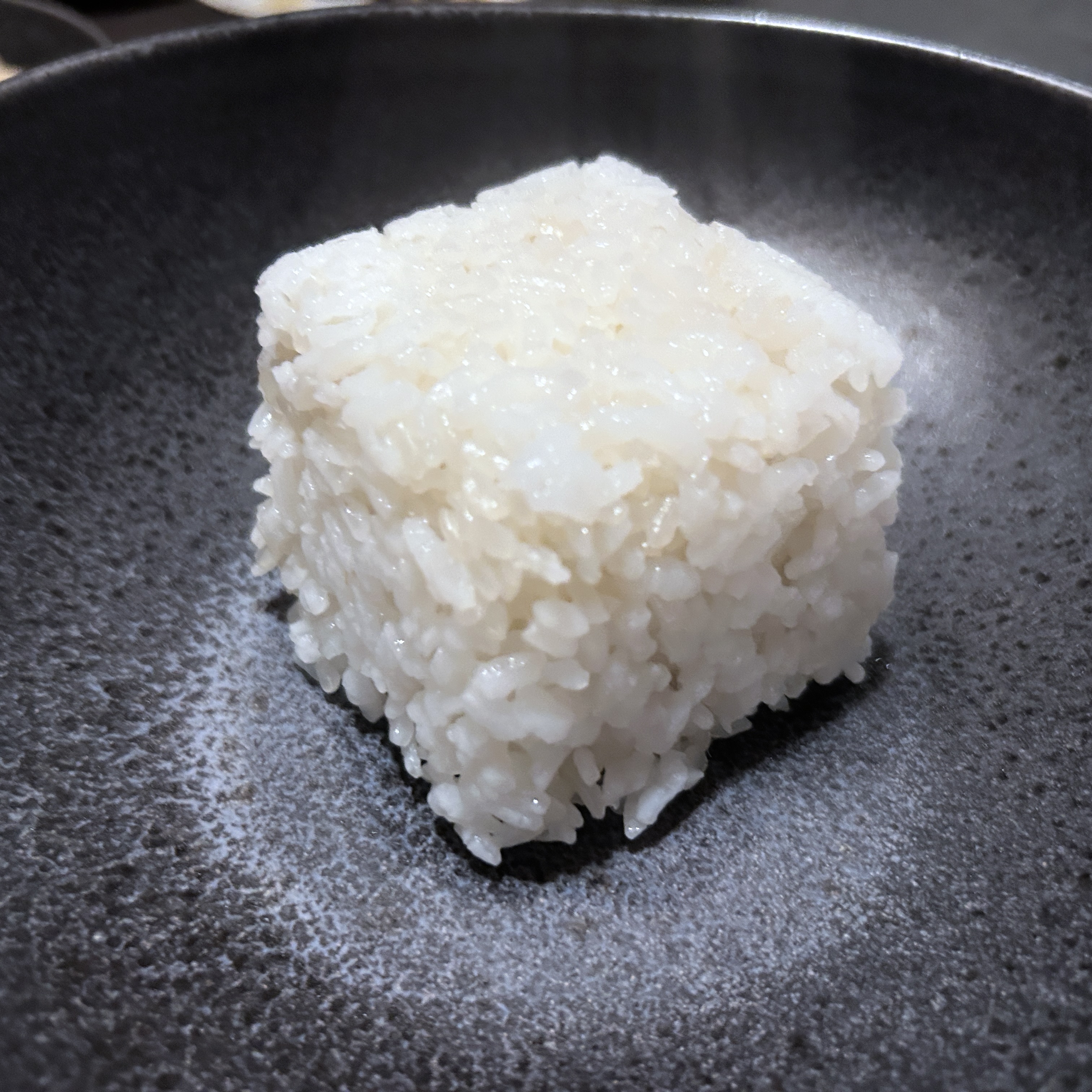
Bap (밥): More Than Cooked Rice
Cooked rice has a name in Korean: 밥. It means more than food. It means a meal, a rhythm, something that holds everything together. This is a story about rice that rarely takes credit, yet quietly defines how we eat and live.
Service (서비스): The Culture of Free Food Around the World
A bowl becoming two. An extra fruit added to your bag. A dish slipped onto the table “just because.” These small moments of generosity reveal how food connects us long before we take a bite.
A Table for One, A Table for All
Some meals push you into silence; others pull you into a table full of strangers. Somewhere between a ramen booth in Fukuoka and a long table in Chianti, I learned what it really means to eat alone. And what it means not to.
How We Wrap Winter in Dough
From clearing out old kimchi jars to dumpling traditions across the Silk Road, mandu is both a family ritual and a shared human story of wrapping love into dough.
In the Time of Bear’s Onion
A fleeting spring leaf links Hungary and Korea, and carries a story of survival, memory, and joy across two kitchens.
Next