Shared Flavors , Shared Memories
The Heat You Come Back For
My mother still sources gochugaru in bulk once a year and keeps some in the freezer for me. Running out was never an option in our house.
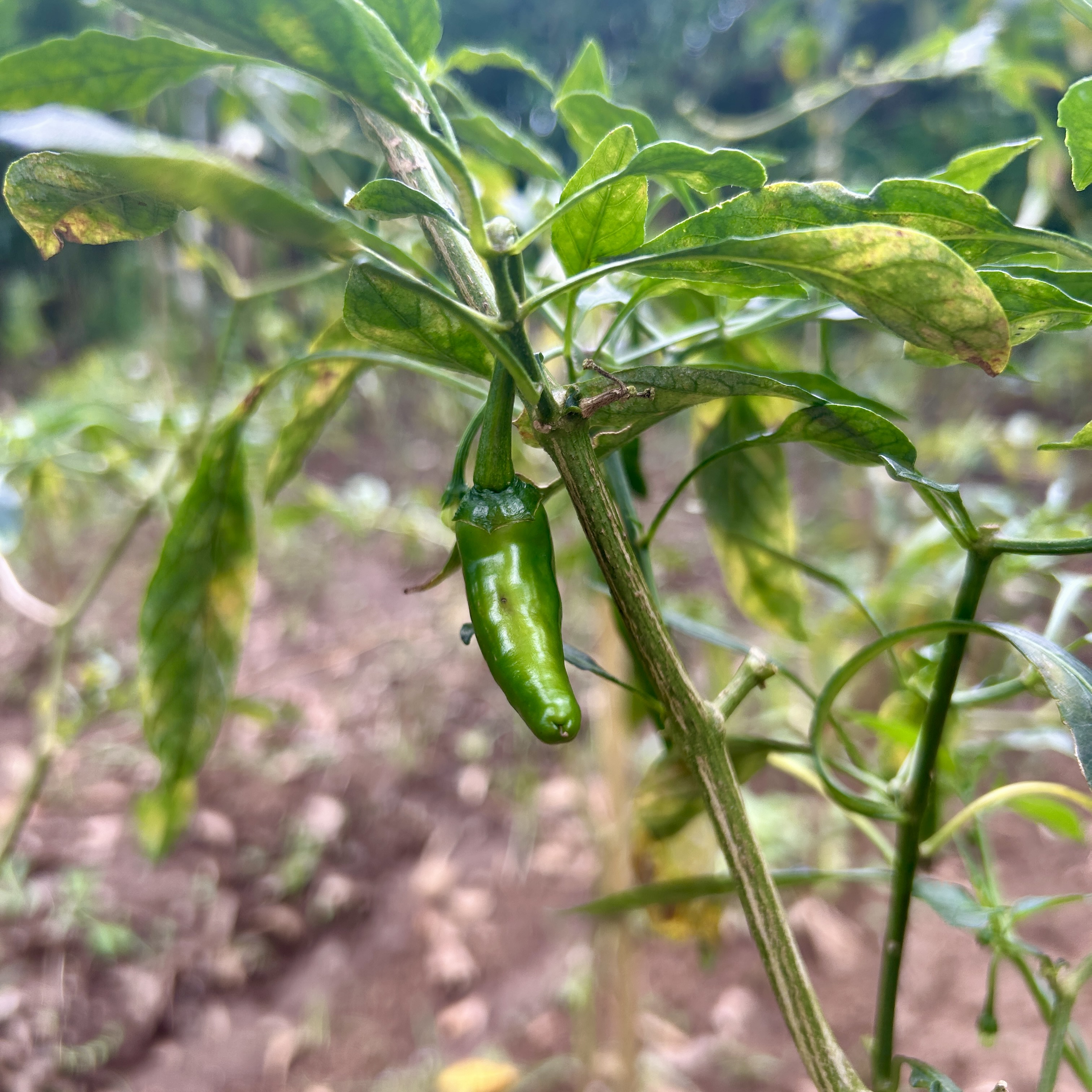
My mother still sources gochugaru in bulk once a year and keeps some in the freezer for me. Running out was never an option in our house.

In autumn, chili peppers took over the roads in Korea. They were spread across tarps on the asphalt, given right of way before cars, left to dry under whatever clear sky the season offered. It was part of everyday life in the neighborhood.
My grandfather had a small vegetable garden, not a farm, just a patch he kept because he didn't like leaving ground unused. He grew peppers among other things, and when the season came he would lay them out on tarps in the morning and gather them back in by evening. The cycle repeated for days, until they reached that perfect vivid red: taeyangcho (태양초), sun-dried, ready just in time for kimjang (김장).

At the neighborhood bangatgan (방앗간), harvest season was the busiest time of year. Sesame pressing competed with the chili pepper crowd. People arrived with sacks of dried peppers and waited their turn to have them ground to order. Fine, finer, or coarse, depending on what they were making. Gochutgaru (고춧가루) was not something you simply bought off a shelf. It was made to specification.
My mother still does this, in her own way. Once a year she sources taeyangcho gochugaru in bulk from someone she trusts and stores it carefully in the freezer. When I visit, she always keeps some ready in case I want to take a portion home. Sending it to wherever I happen to be living is not unusual. Running out is simply not an option.
I cannot imagine Korean food without it. Gochugaru goes into almost everything, but most importantly, it defines kimchi. There are versions without chili: baek-kimchi, dongchimi. And those were, in fact, the original forms. But today it is the red, spicy versions that travel the world, and it is the heat I reach for.
There is something about maeun-mat (매운맛) that pulls you back. It makes you sweat. Your face turns red. You reach for water, or beer, and yet you come back for more. For many Koreans it functions almost like an unofficial sixth taste, not just a sensation but a craving, something the body remembers and returns to.
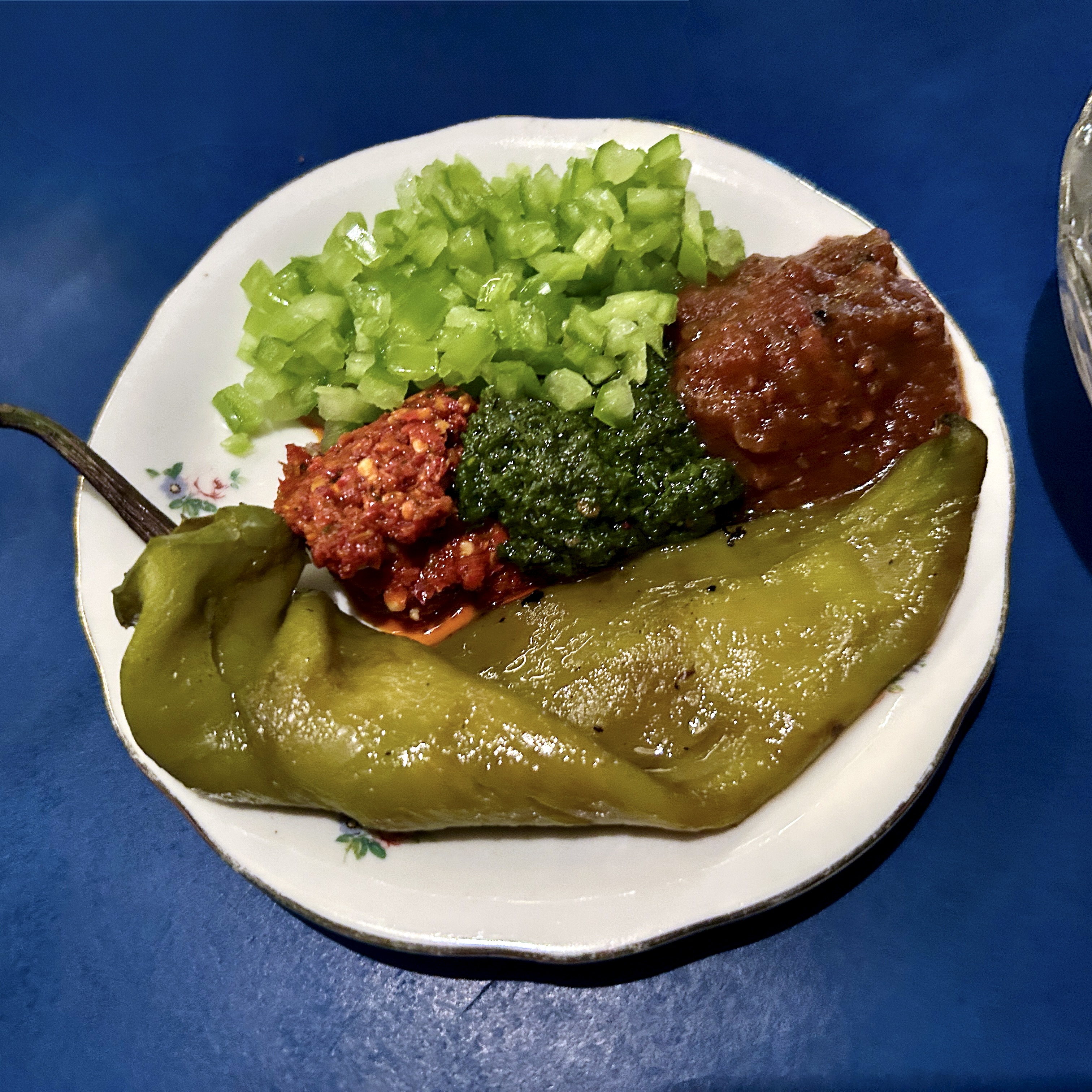
My love for spicy food is well known among my friends. I once found it quietly amusing that a friend's father carried Tabasco sauce in his pocket while traveling. I was glad to know I wasn't alone.
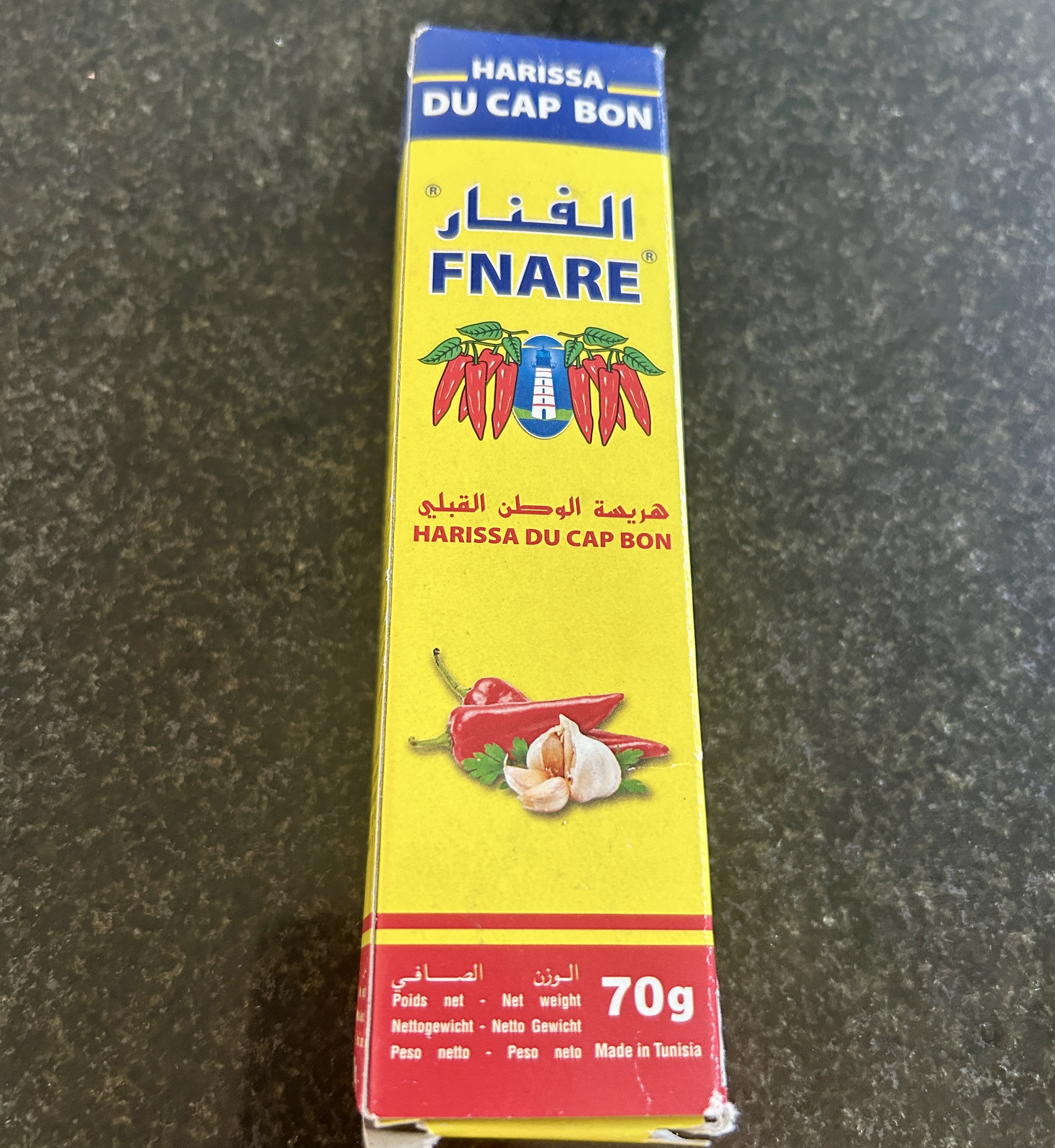
After weeks abroad eating rich, butter-heavy food, the craving for heat arrives reliably. In France I searched for something that could fill that gap and found harissa, a tube with yellow packaging, Arabic writing, a chili pepper on the front. It came from Morocco. The texture and heat reminded me of dadegi (다대기), the rough chili paste that goes into soups and stews. Not the same, but familiar enough. I used it throughout my time in the south of France, the way you reach for something that isn't quite home but is close enough.
Most Koreans, my parents included, find it secretly delightful that people outside Korea have developed such a love for spicy food. The irony is that chili peppers themselves came from elsewhere, Korea included. Growing up, the strongest maeun-mat I knew came from cheongyang-gochu (청양고추), the small Korean chili that seems modest until it isn't. That was the heat I measured everything against. Then other peppers started appearing. In Texas, jalapeños: thick-walled, grassy, a slow burn rather than a sharp one. Strange at first, then something I missed once I left. In the Netherlands, madame jeanette, small, golden, almost floral in smell, and deceptively fierce. Each place had its own version of heat. Sharper in one place, fruitier in another, more fragrant somewhere else. I learned them all by tasting, not by reading a label.

Lately a different kind of heat has arrived. Bottles of concentrated capsaicin (캡사이신), the same character shin (辛) that appears in the name of Shin Ramyeon, now pushed to an extreme in buldak (불닭) sauces and the spicy food challenges that spread through meokbang culture. The Scoville scale tells you how much water you will need. Maeun-mat became a source of entertainment.
For me, that is where something gets lost. I want to see the pepper itself. Its color, its size, whether it was dried in the sun or indoors, whether it was ground fine or left with texture. Heat is not just a quantity.
My mother's gochugaru tastes different from anything I buy abroad. Not because the capsaicin content is different, but because I know how it was chosen: sourced once a year from someone she trusts, stored carefully, kept in reserve for whenever I come home or ask her to send some. That care is part of the flavor.
That is the heat I keep coming back for. Not the number. The pepper.