Shared Flavors , Shared Memories
The Vegetables That Weren't From There
I was going to make ratatouille in my mother-in-law's kitchen. One conversation later, I was questioning why we call any of these vegetables Mediterranean.
I was going to make ratatouille in my mother-in-law's kitchen. One conversation later, I was questioning why we call any of these vegetables Mediterranean.

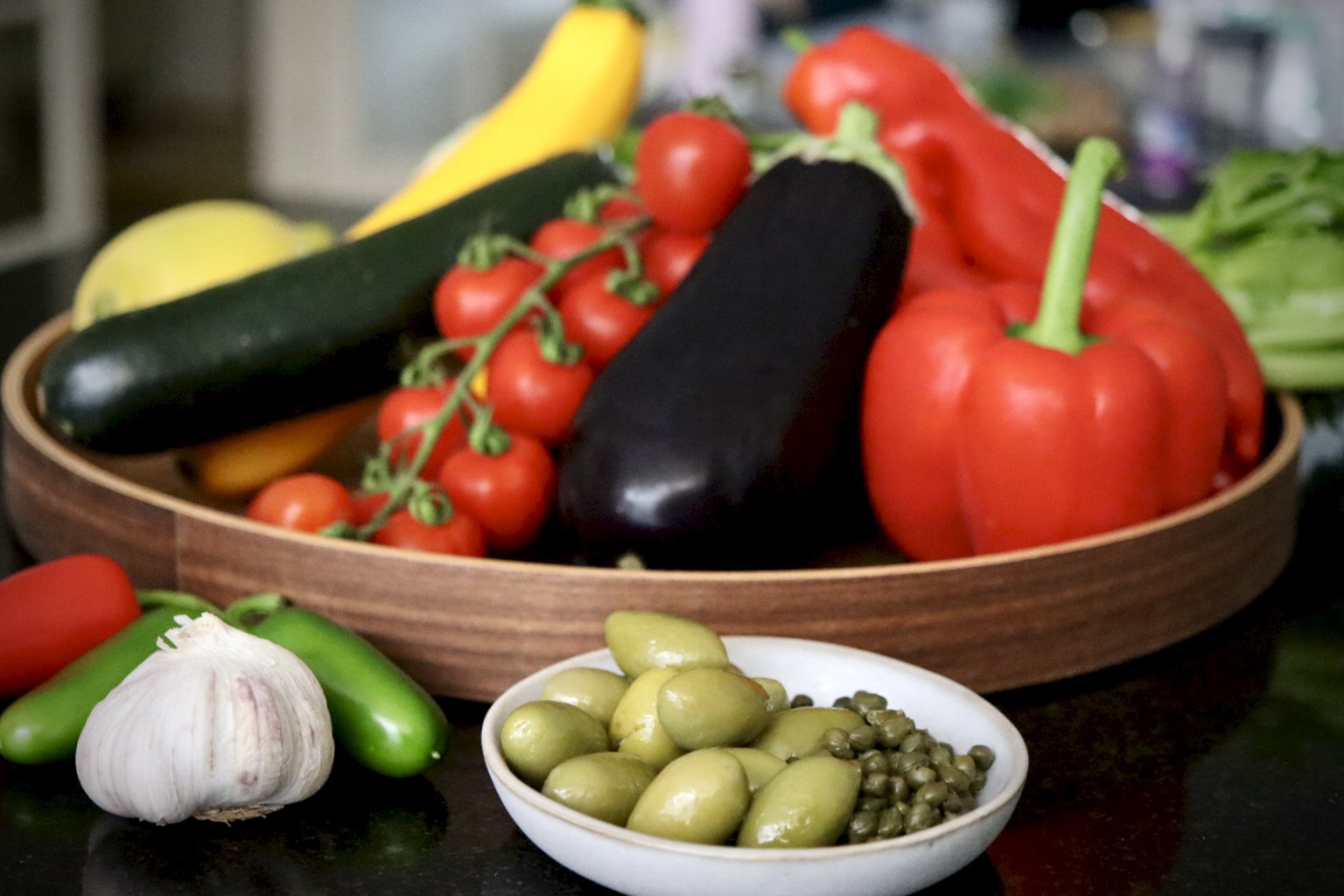
I didn't know where anything was. It was my mother-in-law's kitchen, and I was opening drawers and cabinets slowly, trying not to ask for help with every small thing. I had spotted tomatoes, eggplant, onions, and peppers on the counter and in the fridge, enough to make something I knew how to make. Ratatouille. Just chop everything, cook it down, done.
She heard me thinking out loud. She mentioned, almost in passing, that there were also capers and olives, and that I could make caponata instead. I had never heard of caponata. Two extra ingredients on top of what I already had. She said she really liked it. That was enough for me. Caponata it is.
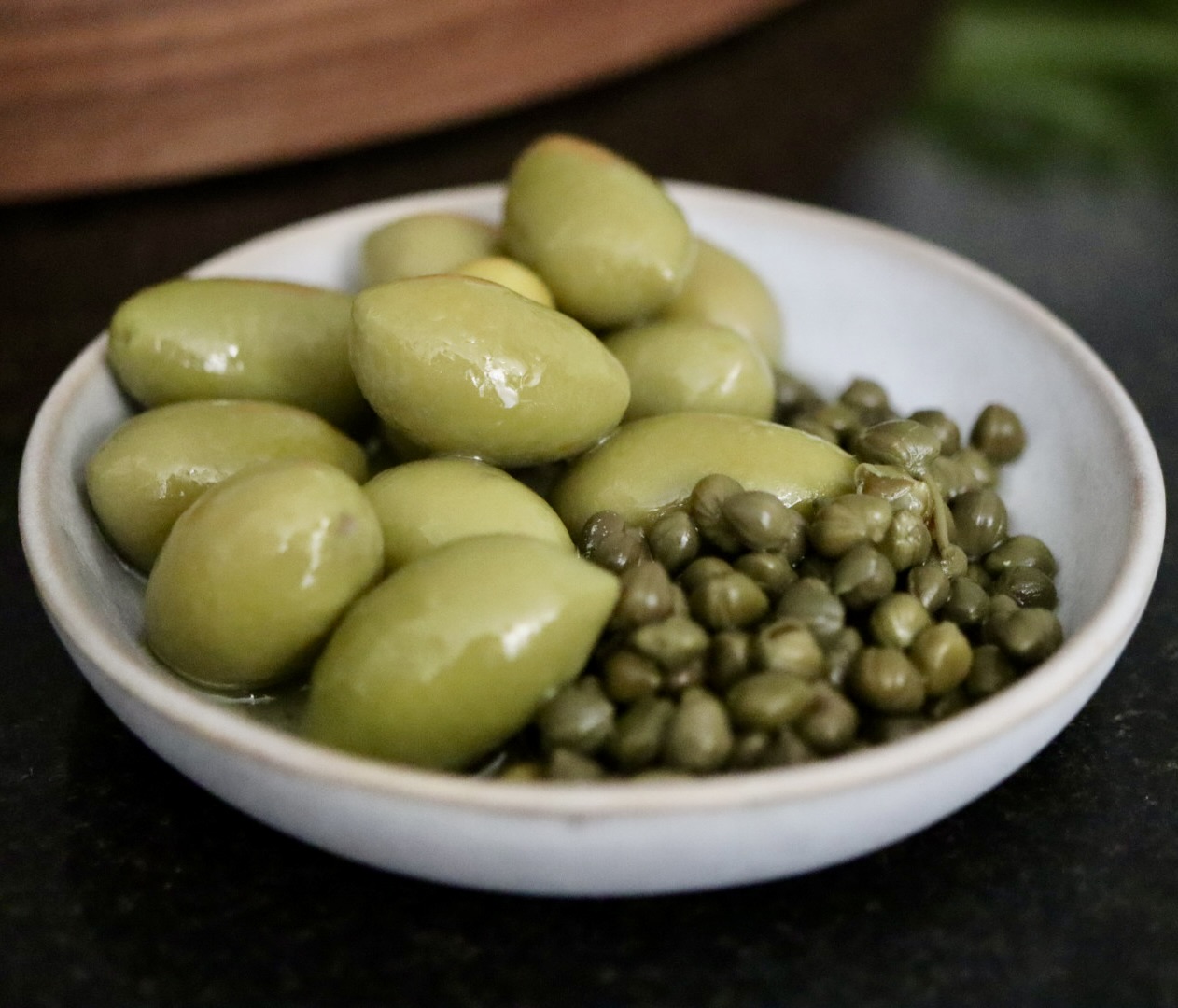
Indeed, two ingredients made all the difference. Sour from the capers, deep and rich from the olives, something briny and preserved that added layers ratatouille alone never quite has. Something I had never made before, assembled from what was already there, suggested by someone keeping me company while I cooked. A mundane weekday evening that turned into a good conversation. A good evening.
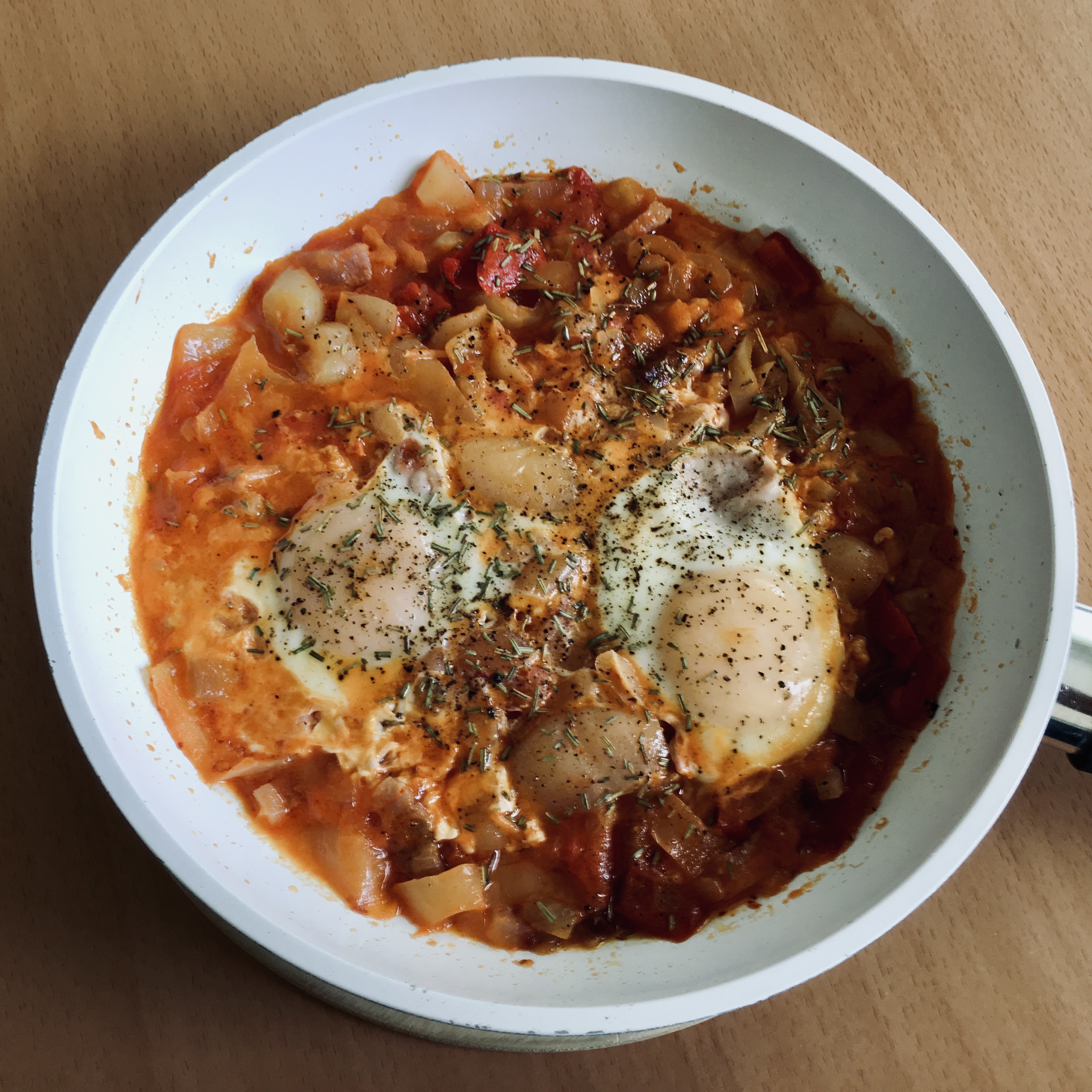
From caponata, we somehow ended up talking about lecsó. Paprika, onion, and tomato: those common ingredients were enough to make the connection. I could almost call it the Hungarian version of ratatouille, vegetables cooked down into a thick, deeply flavored base, made in large batches and stored in jars. I had seen those jars in the pantry already, lined up alongside lekvár, fruit preserves, apricot and plum. The kind of pantry that is never caught unprepared. A jar of lecsó can turn into a quick meal in minutes: reheated with an egg dropped in, bread on the side, dinner done.
When I first moved to Hungary, I didn't fully understand what paprika meant to Hungarians. I knew the word from places I'd lived before, where paprika meant the thick, round, juicy pepper, not particularly spicy. In Hungary paprika meant something else. There were long, thin green ones that looked mild, except they weren't. Pale yellow ones I had never seen anywhere else. And then paprika powder, which Hungarians simply call paprika. No further explanation needed. Sweet and spicy versions both, always near the stove, always assumed present.
Paprika is everywhere in Hungarian cooking, more than I had expected. Paprikás. Paprika-red Hungarian stew, very common, widely loved, the first dish my mother-in-law made for me on a Sunday lunch. The word paprikás simply means "made with paprika," and without paprika the dish would collapse. Just as dinner shifted from ratatouille to caponata, and the conversation moved from lecsó to paprika, we discovered something interesting. Ironically, what makes paprikás what it is is not paprika but tejföl, a thick Hungarian version of sour cream. Add it and the dish becomes paprikás. Leave it out and it stays pörkölt. One spoonful changes the name, though nobody at the table could quite explain why.


At some point I said it out loud: wait, why do we call these Mediterranean vegetables?
Tomato, from the Americas. Paprika and chili, from the Americas. Eggplant, possibly from South Asia, though I wasn't certain. None of them are originally from the Mediterranean. And yet Italian cuisine without tomato is now unimaginable. Hungarian cuisine without paprika will collapse. The ingredient arrived, was adopted completely, and became the identity of a place it had never come from.
Gochu (고추) is like that in Korea. Before gochu arrived, kimchi was white. It was nothing like the kimchi that we know today. Baek-kimchi, literally white kimchi, is the version without gochugaru. It still exists and is still eaten for its clean taste, but when Koreans say kimchi now, they mean the red version.
That’s the version that the world knows as kimchi. Gochu made it into everything and spiciness became Korean. It simply became so Korean.
Gochugaru has become a trendy word lately, showing up in recipes as though it were something rare and irreplaceable. It isn't, really. It's dried chili, coarsely ground, and versions of it exist across many kitchens. Turkish cooks reach for pul biber. Italians use peperoncino. The coarseness varies, the heat level shifts, the color differs slightly, but they are all essentially the same pepper. You can make kimchi with paprika powder or pul biber. The plant traveled, took root, and got renamed wherever it landed. Gochugaru is one name among many for the same idea.
Paprika powder sits in my pantry alongside gochugaru and whatever other dried chili I have at hand. I reach for whichever one fits. Where it came from or what they call it no longer matters. I just know I can't imagine my dinner table without it.