Shared Flavors , Shared Memories
When Place Becomes the Dish
I waited two hours in line at Franklin Barbecue in Texas. After hearing so much about the place, standing in that line felt like becoming part of it.

I waited two hours in line at Franklin Barbecue in Texas. After hearing so much about the place, standing in that line felt like becoming part of it.

The first time I heard about the line at Franklin Barbecue, waiting two hours for lunch sounded excessive. People had built services around it: businesses renting chairs to those waiting, others offering to stand in line on your behalf. The line had become its own institution.
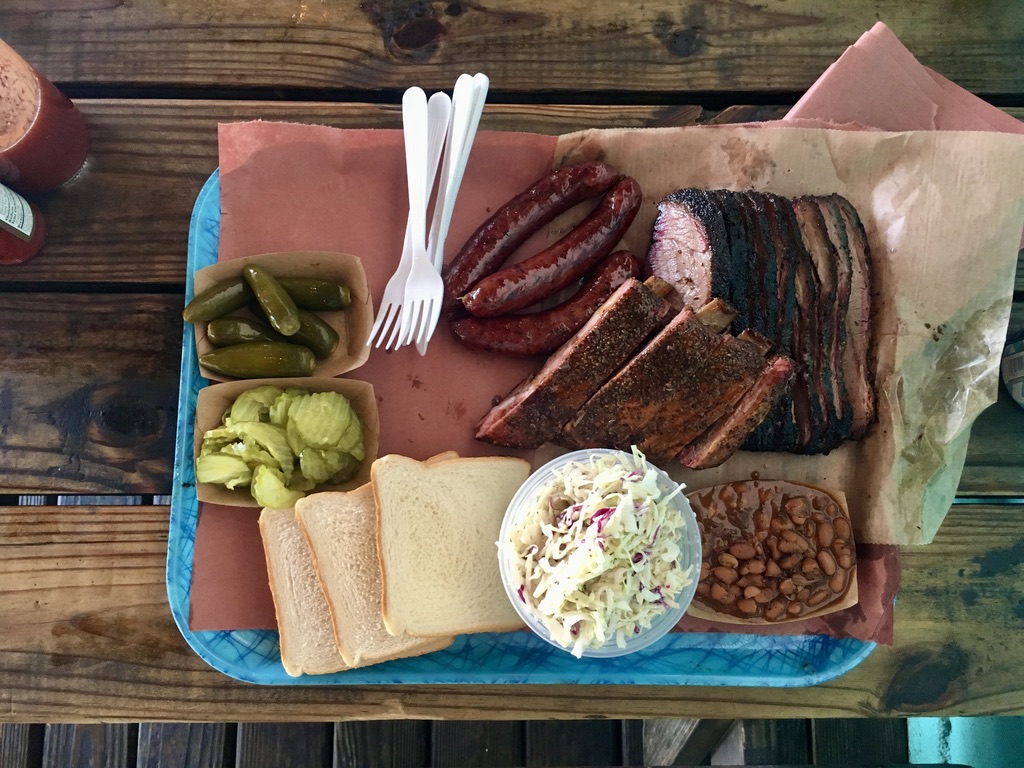
I finally joined it. The restaurant sits outside Austin, the kind of place you drive to rather than stumble upon. The pitmaster starts work in the middle of the night, sometimes at two or three in the morning, tending the smokers long before the doors open. When I finally reached the counter, I was handed a tray with brisket, pickles, coleslaw, and a few slices of white bread. The meat was tender enough that it barely needed the sauce.
But what stayed with me wasn't the brisket. It was the line itself : the conversations among strangers, people sharing how they'd first heard about the place, about the time Barack Obama visited, about a fire the restaurant once had. Everyone had a story about the same place. After two hours of that, the food arrived carrying more than flavor. I had become part of something, and now I could pass it on.
I recognized that feeling. I had felt it before, somewhere else entirely.
In Korea, people travel across the city, sometimes across the country, for a single dish. The impulse isn't unique to Korea. In Philadelphia you eat a cheesesteak. In Hanoi, phở. But Korea pushes the idea further: the place doesn't just suggest where the food is good. The place becomes part of the dish's name. People don't say bibimbap in Jeonju, they say Jeonju bibimbap (전주 비빔밥). In Naju, it is Naju gomtang (나주 곰탕).
Sometimes the connection becomes even more physical. Entire streets become known for a single food: meokja-golmok (먹자골목), eat alleys, where restaurant after restaurant serves the same specialty. Sindang-dong in Seoul for tteokbokki (떡볶이). Chuncheon for dakgalbi (닭갈비). You don't choose a restaurant. You choose the street.

In a street full of the same dish, every restaurant needs a way to say: this one is the real one. Signs emphasize wonjo (원조), meaning "the original," or jeontong, traditional. Sometimes the sign displays a photograph of the grandmother who supposedly started the restaurant decades ago. Whether the claim is true almost becomes secondary. What matters is the story. The food and the place have fused so completely that legitimacy requires a narrative.
Walking through Porto, I turned into a narrow street and stopped. Restaurant after restaurant was grilling fish over charcoal: sardines, sea bream, other local fish across metal racks above open flames. Smoke drifted through the alley and mixed with the smell of the ocean. The entire street was organized around one thing.
I stood there for a moment feeling something familiar. Not the fish, not Portugal specifically, but the logic of the place, the way a street could belong entirely to a single food, and how that belonging made it worth going to. That is not common in Europe. Standing in Porto's fish alley felt like being in a golmok I hadn't known existed.
Weekend trips in Korea sometimes revolved around food the same way Texans drive out of the city for barbecue. Families drove to certain towns for dishes they were known for. Fresh oysters in Tongyeong, dakgalbi in Chuncheon, a particular matjip (맛집) someone had heard about from a coworker. The drive was part of it. The anticipation on the way there, and the story you carried back.
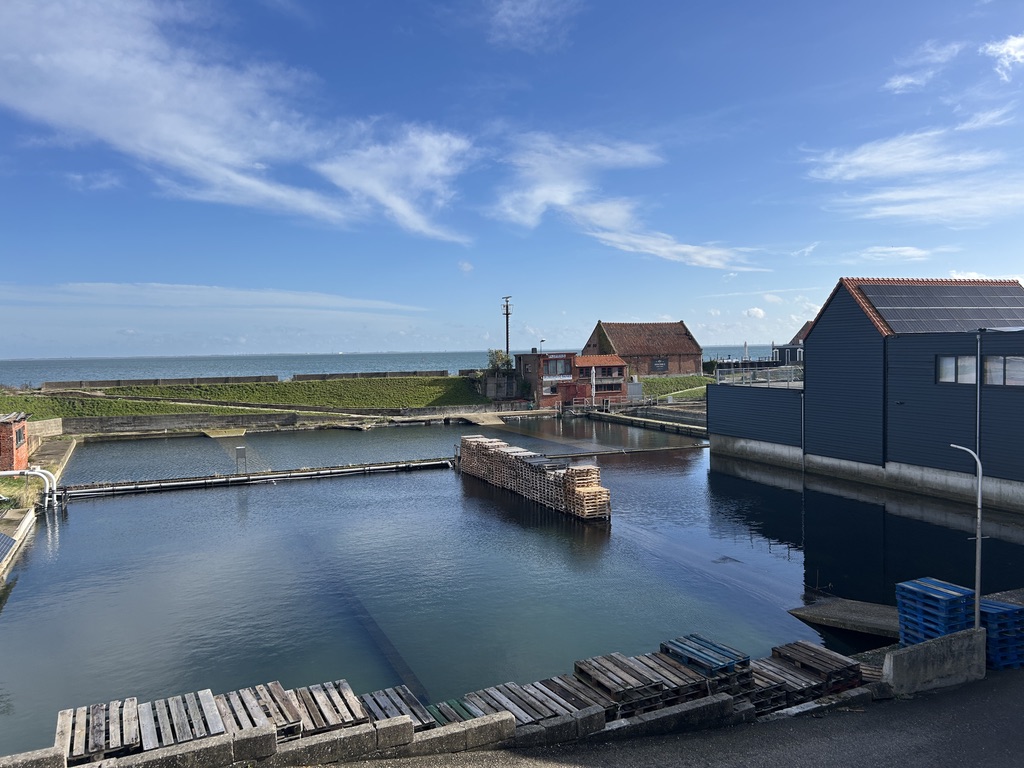
I have the same feeling now when I drive to Oesterij in Zeeland. Across the long bridges and open water, to eat oysters pulled from the beds right there. The drive is beautiful. The oysters are worth it. And I have already told several people they should go.
That is the thing about a place that has become the dish. You leave wanting to pass it on.