Shared Flavors , Shared Memories
Anju: When Drinks Meet Food
Across cultures, drinks ask for food. From Granada to Seoul, this is a story about anju and the tables that bring people together.
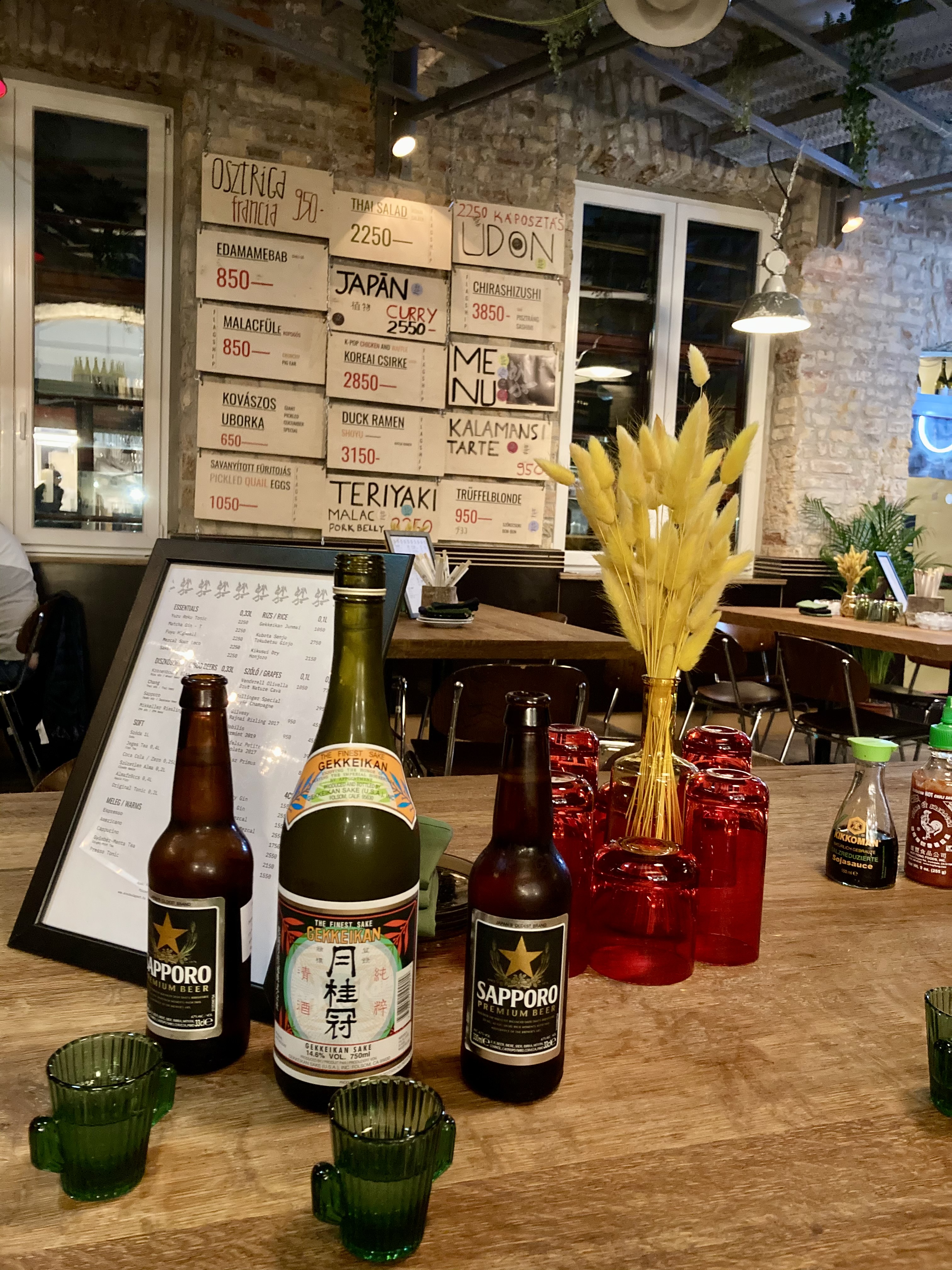
Across cultures, drinks ask for food. From Granada to Seoul, this is a story about anju and the tables that bring people together.

After a long drive, we sat down at a local bar in Granada and ordered two small beers. A moment later, the server returned with a basket of fried whitebait and a smile. We hadn't asked for it. It was simply given.
Each time you order a beer, a small bite arrives. They call it a tapa. The beers come in very small glasses, and with each new order, a different tapa appears. Always free. Always good.
Granada is often cited as the birthplace of the free tapa. That alone would have been enough reason to fall in love with the city, even before the Alhambra.
One of our favorite experiences was in Seville, at a place that has been open for over four centuries. There was no fixed menu. It changed daily and was written on a blackboard I couldn't fully read. The bartender took orders by writing directly on the bar with chalk. You stood, ordered a drink, received a small dish, then ordered another. At the end, everything was tallied by hand.
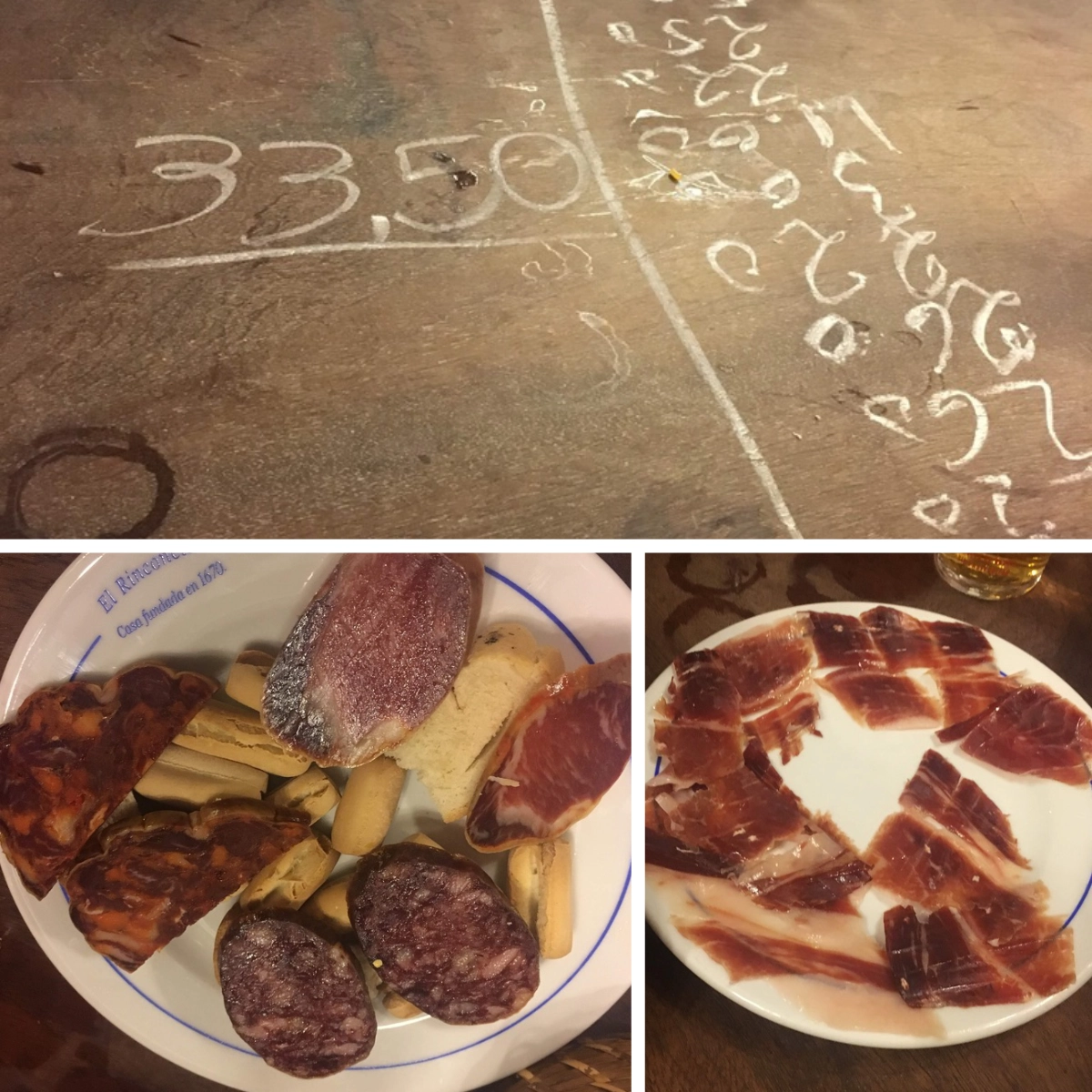
Unlike us, the tourists eager to try everything, ending up with a chalkboard filled edge to edge. Most locals stayed for just one or two bites before moving on. You eat a little, have a drink, head to the next place. Less like a long meal, more like bar-hopping guided by food.
In Verona, I encountered aperitivo, an early-evening ritual before dinner. You order a drink and you're welcomed to a spread of small bites: bruschetta, olives, cheese, sometimes warm dishes. The food isn't the meal itself, but it's essential. Drinking, here too, comes with something to eat.
These moments felt familiar. I didn't realize how familiar until I came home.
In Korea, food eaten with alcohol has a name: anju (안주). It's not optional. Drinking almost always comes with food, and sometimes the food matters more than the drink itself.
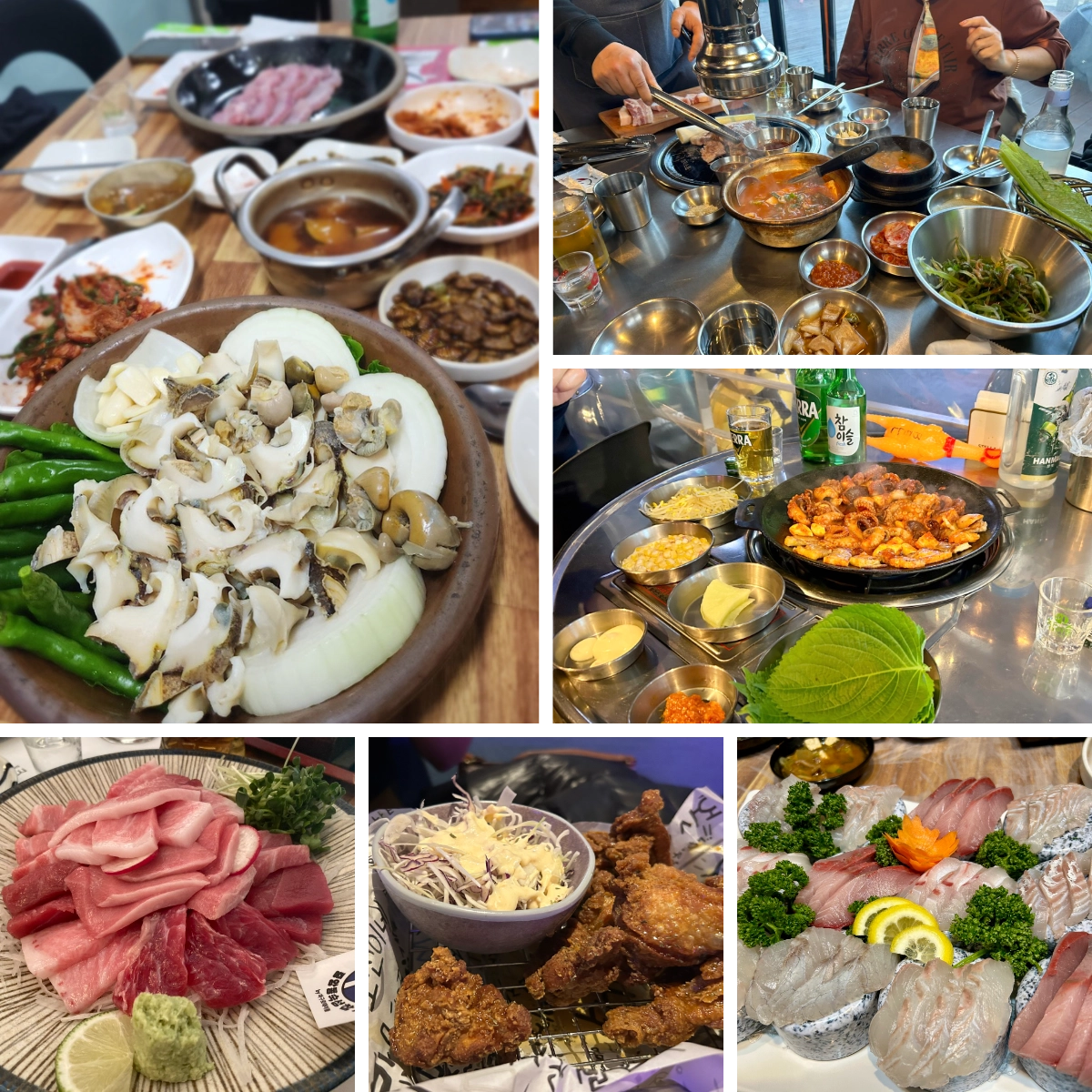
I remember how excited my brother and I would get on Friday movie nights. That meant fried chicken for us, while the adults ended the week with beer and chicken, chimaek (치맥). Whoever came up with that combination deserves real credit.
There are countless pairings like this. Soju with samgyeopsal or hwe. Makgeolli with jeon (전) or buchimgae (부침개) on rainy days. These combinations feel instinctive, not planned. They're part of the rhythm.
Even when money is tight, you still want something to nibble on. A simple bag of saeukkang (새우깡) can be enough, much like sóspálcika in Hungary.
There's a phrase for people who focus more on eating than drinking: anju-bal seunda (안주발 세운다). It carries a teasing tone, implying someone isn't keeping up with the drinks. But the phrase reveals something important. Food gives you stamina, sets the pace, keeps the moment grounded. Drinking is not meant to happen alone. It belongs at a table, with food, with others.
Japan shares a similar instinct. Food eaten with alcohol is called sakana (肴), small dishes meant to accompany drinks, not follow them. In places like izakaya (居酒屋), the food is often the main draw. Simple, affordable, carefully prepared.
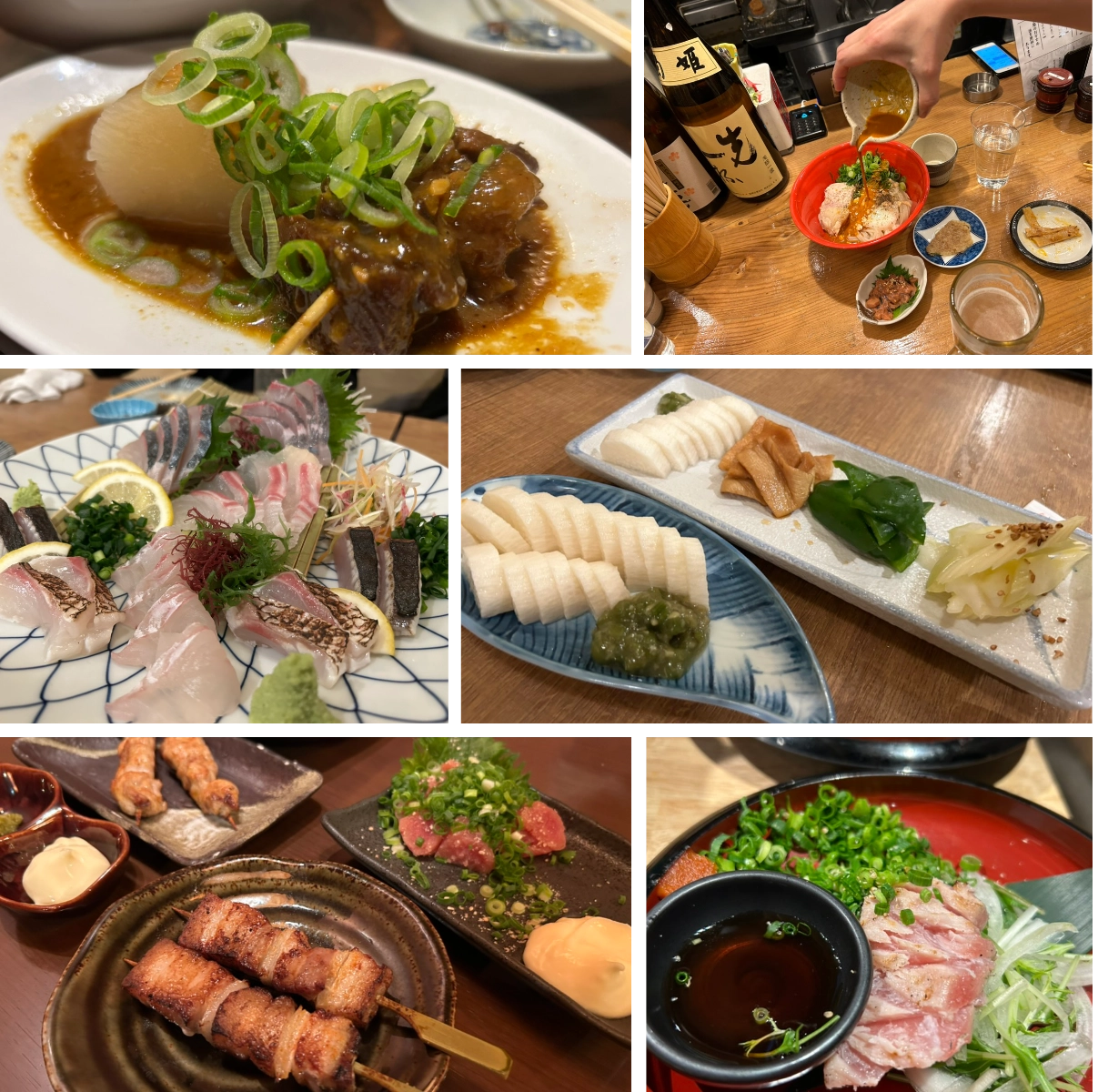
It took me time to adjust to drinking without food in North America. For a long while, I assumed bars everywhere worked that way, drinks alone, food separate. Only after experiencing Granada, Seville, and Verona did I realize what had felt missing. It was anju. The table felt incomplete without something to eat.
The most pleasant discovery was finding something that did feel familiar: hot wings and beer. The flavor was different from Korean yangnyeom, intensely spicy and vinegary, but the ritual was the same: fried chicken, beer, something crisp on the side. The pairing crossed borders even when the recipe didn't.
More recently, I learned about imokase (이모까세), a newer trend in Korea. The name plays on omakase, but instead of a chef, the experience centers on an imo, a familiar "auntie" figure. You don't choose the food. As the drinks arrive, so does a steady progression of anju, paced and selected by the imo herself. The table fills gradually, without explanation or menu, guided by her judgment rather than your order.
Imokase feels less like dining and more like being welcomed into someone's rhythm. You're not managing the night, someone else is watching the table for you. It's the kind of place where you can drink alone, honsul (혼술), and still feel quietly looked after.
You see echoes of this in figures like the poktanju (폭탄주) imo, known for her flashy somaek (소맥) mixing skills. She isn't a bartender in the Western sense. She's a caretaker of the table, keeping glasses full, food coming, and the mood moving at the right pace.
It's a reminder that in Korean drinking culture, being served often means being cared for.
From tapas in Granada to chimaek on a Friday night, from imokase to aperitivo in Verona, drinks ask for food. The customs differ. The instinct doesn't.