Shared Flavors , Shared Memories
What a Hundred Cucumbers Taught Me
From carrying home 100 cucumbers with her mother in Korea to discovering Hungary’s sun-fermented pickles, this story traces how one tradition finds cousins across borders.
From carrying home 100 cucumbers with her mother in Korea to discovering Hungary’s sun-fermented pickles, this story traces how one tradition finds cousins across borders.

Every summer growing up, it was almost a ritual. My mother would make oiji (오이지), Korean fermented cucumbers. And it wasn't just a few jars. We're talking a full jeop (접), at least 100 cucumbers. Depending on their size, that's close to 10 kilograms.
As I got older, taller than my mom, stronger than her, I began helping carry those heavy bags home from the market. The first time I managed all 100 on my own, she beamed. She bragged about it to friends for weeks, amazed that I could carry what she once had to do alone. I think for her it meant more than muscle. It marked a quiet crossover, a moment when her daughter had grown and care was beginning to return.
Even now, every summer my mom calls to tell me when she has made a new batch. It is her way of keeping me close.
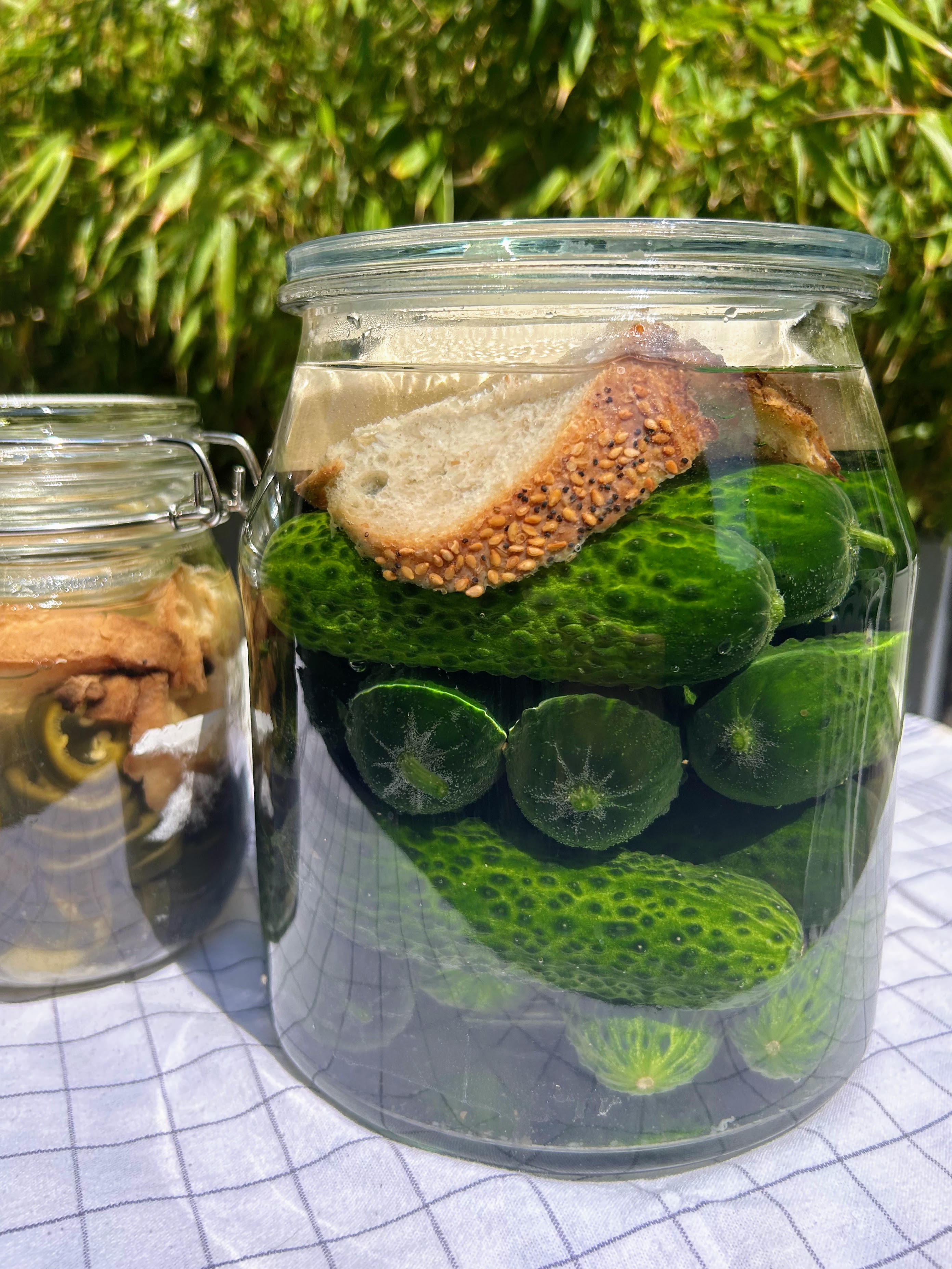
When I moved to Hungary, I stumbled across something that stopped me in my tracks: kovászos uborka, sour summer cucumbers left to ferment in the sun. I called her right away.
"It's like oiji," I told her.
These cucumbers were short and knobby, nothing like Korea's long, slender ones. But the taste, the texture, the feeling... they were cousins. She was delighted, amazed that on the other side of the world, people were also fermenting cucumbers. Not with boiling brine, but with bread and sunlight.
"Oh really? That's what they do with bread? How interesting!"
For her it was another thread in the tapestry of how people everywhere find their own way to the same flavors. In Korea, bread is more often associated with sweets than savory cooking, so using it for pickling would feel unusual. But bread is simply starch. In kimchi-making we use pul (풀), a porridge made from flour, to feed lactic acid bacteria. Different ingredients, same idea.
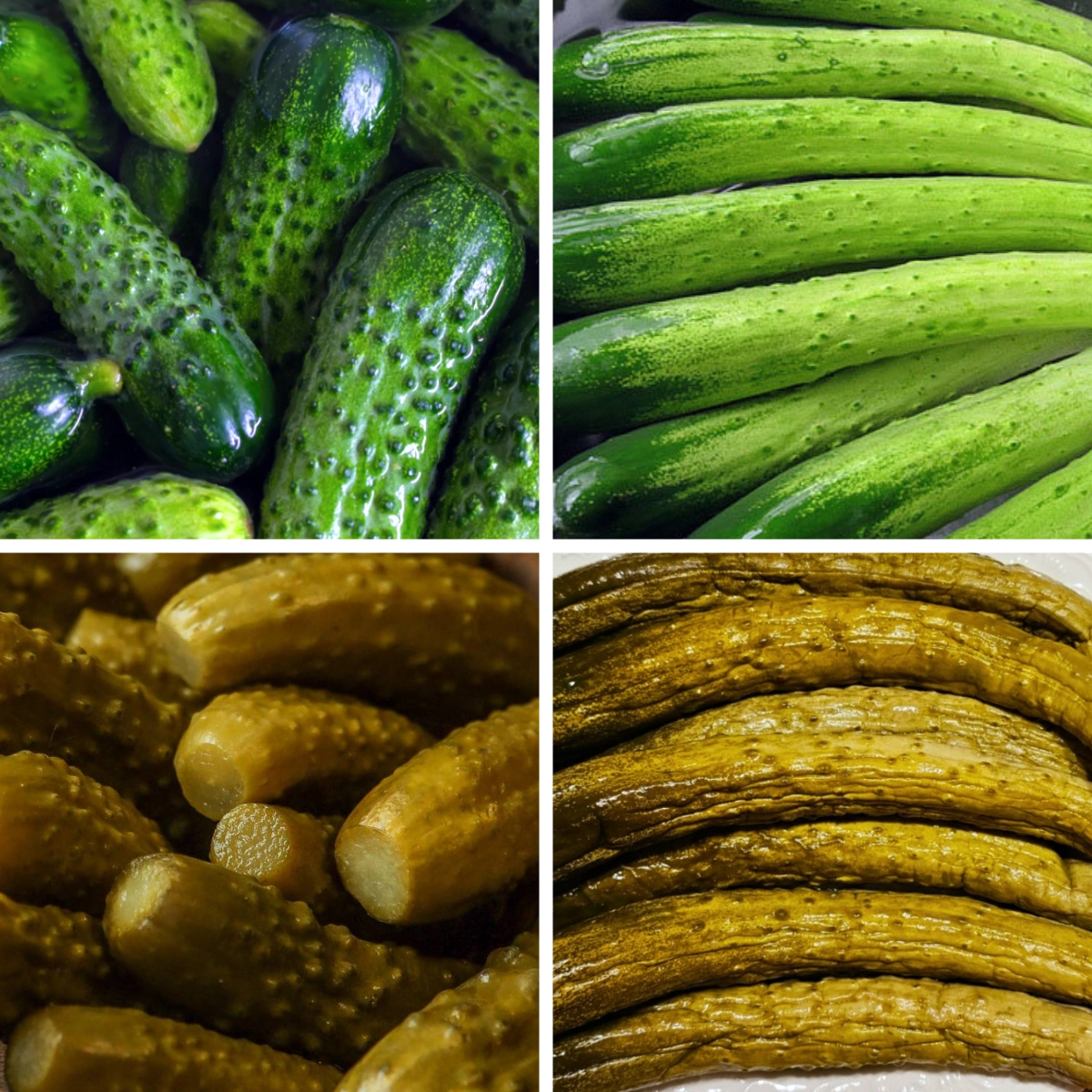
The two methods start from the same place and go in opposite directions. In Hungary, short pickling cucumbers are layered with garlic and dill, a slice of bread placed on top, and the jar left in the summer sun. The bread encourages wild fermentation, and the warmth does the rest. Juicy, tangy, deeply savory.
In Korea, long cucumbers are packed with salt and covered with boiling brine. A stone presses them down, and the jars are kept cool. Instead of the juicy tang, the cucumbers remain firm and intensely salty, meant to last through the heat of summer.
One relies on time and warmth. The other on heat and salt. The paths differ, but the goal is the same: carry cucumbers through the summer.
I soon realized how much Hungarians love pickles. Living in a country where bread replaced rice, it helped that pickles were easy to find all year, and that small familiarity made the new place feel more like home. In Korea we have jangajji (장아찌), vegetables preserved in soy or brine. Something crunchy, juicy, and sour is almost essential alongside a meal. I find myself wanting it with almost anything: rice, ramyeon, even a sandwich.
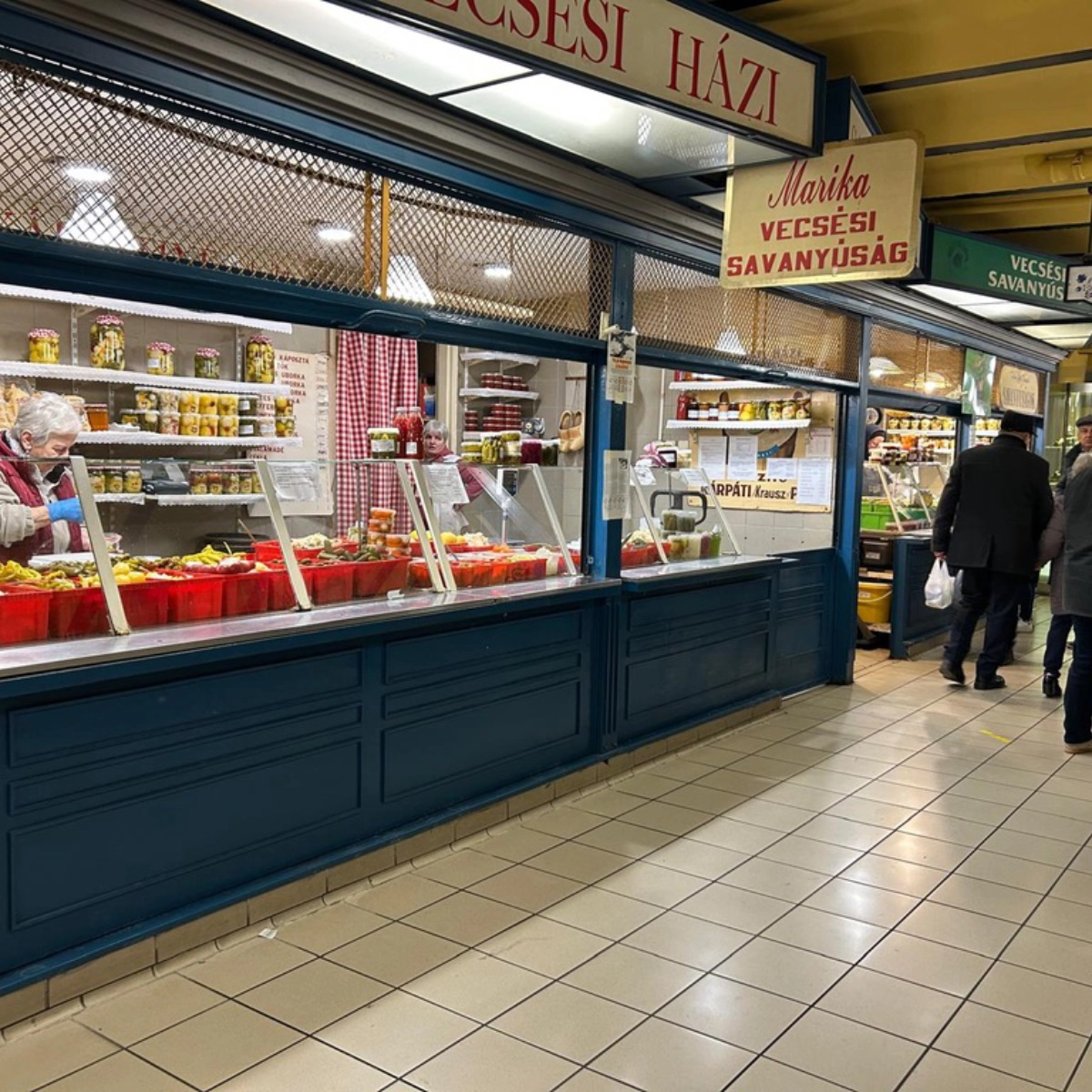
My "pickle lady" at the local market eventually recognized me as a regular. I would buy one or two kilograms at a time, always with a container of the cloudy fermentation juice. That juice is a treat in itself. People here drink it. Some swear by it as a hangover cure. I've seen pickle juice mixed into beer, sometimes even vodka. Occasionally I drink it on its own for the probiotics. Korean pickle brine is far too salty for that, I would not recommend trying it.
Before serving oiji, we often slice the cucumbers and soak them in water to draw out the excess salt. It is commonly served chilled, sometimes with ice cubes and finely chopped cheongyang-gochu (청양고추), which makes it especially refreshing in the summer.
Every country seems to have its own version. Korea has oiji. Hungary, kovászos uborka. Ukraine, kvasheni ohirky. And I had my own discovery too, I fell in love with dill pickles in the United States. A diner staple that became my comfort food when I first moved there. Some credit Dutch farmers in early Brooklyn with popularizing vinegar-pickled cucumbers sold from barrels. Even the word pickle traces back to the Dutch pekel, meaning brine. Later, Eastern European Jewish immigrants added garlic, dill, and a sharper tang, shaping the deli pickle we recognize today.
Perhaps that is why kovászos uborka reminds me so much of the taste of a dill pickle.
Each summer we ferment cucumbers, shaped by memory, local ingredients, and whatever we can find. Sometimes they are long Korean cucumbers; other times short Hungarian ones or softer varieties from Dutch markets. Here in The Hague, the diversity grows thanks to immigrants from all over. I have even discovered new methods, like brining cucumbers in olive juice, a favorite I first tasted at Ali's Incredible Sandwich.
The method changes. Boiled brine when I want crunch. Sunlight fermentation when the Netherlands gives us more sunny days than rain. The results are never identical, but the intention remains the same, to keep a tradition alive while allowing it to evolve.