Shared Flavors , Shared Memories
Seobiseu
A bowl becoming two. An extra fruit added to your bag. A dish slipped onto the table “just because.” These small moments of generosity reveal how food connects us long before we take a bite.
A bowl becoming two. An extra fruit added to your bag. A dish slipped onto the table “just because.” These small moments of generosity reveal how food connects us long before we take a bite.


Hanoi is one of those cities where the food feels endless. Too many bowls, plates, and snacks for a single lifetime. My husband and I learned to strategize: order one dish, share it, and leave just enough room for the next discovery.
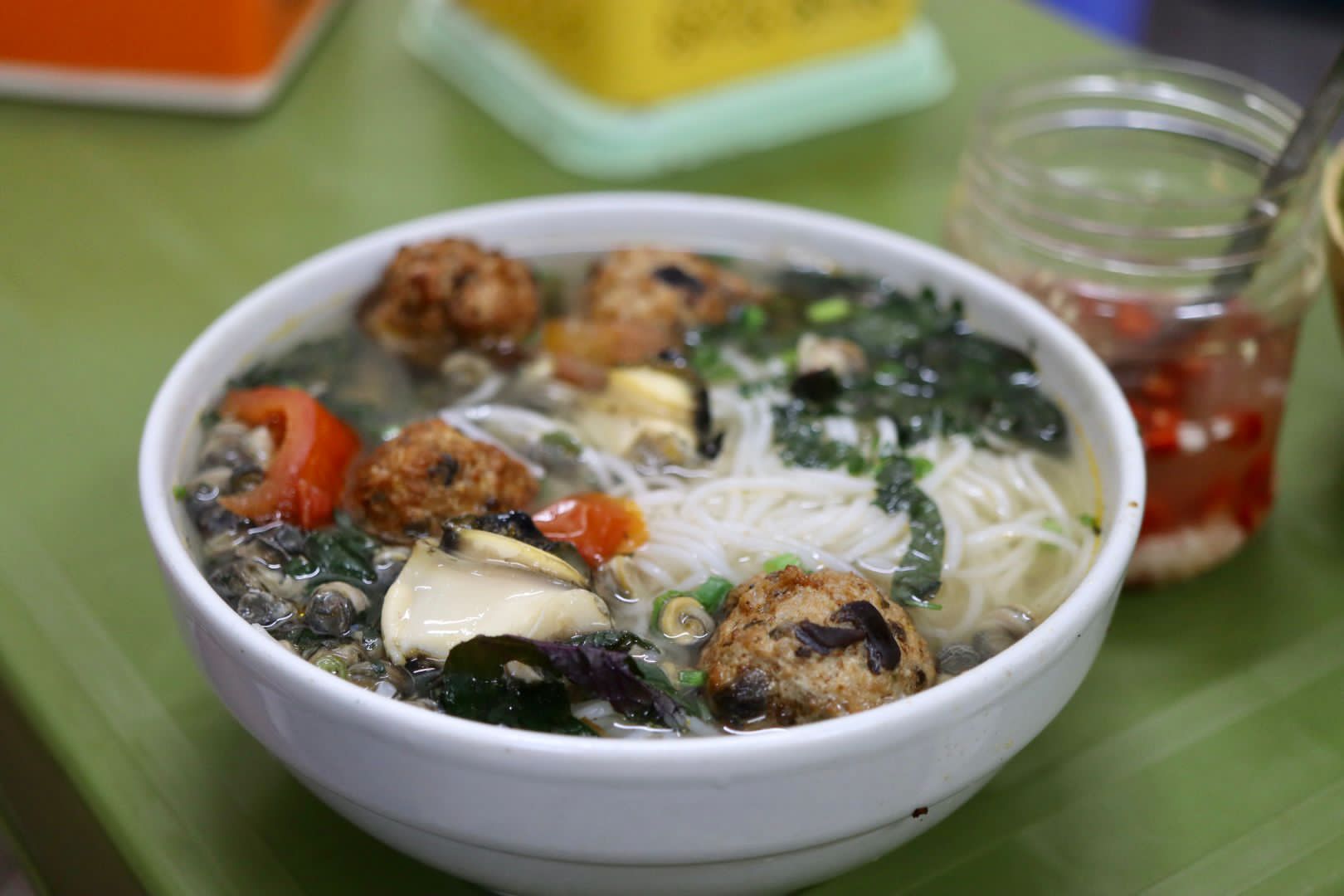
One morning, we followed the stream of locals into a busy corner that felt like market, café, and street all at once. The specialty was bún ốc, snail noodle soup. A dish I had first seen on a favorite travel show. The broth was rich, smoky, alive with depth. A perfect hangover cure after our late night on the beer street. We passed the bowl back and forth, taking turns with greedy joy.
The shop was open-air, the pot as big as a drum, stirred by an elderly woman who looked more like a grandmother than a chef. She noticed us sharing and called to the server. A moment later, the woman came back with not one, but two full bowls. More noodles, more broth. We hadn't asked. But it was given.
Before we left, I brought the woman an iced coffee from a nearby stall. A small way to return the kindness.
That morning reminded me of something deeply familiar from home. In Korea, this kind of unexpected generosity has a name: seobiseu (서비스). Literally "service." It's the little extra a restaurant offers, not because you paid for it, but because you're there.
Sometimes it's a plate of fruit after a meal. Sometimes a cup of sikhye (식혜), sweet rice punch, to cool you in summer. Sometimes it's simply more soup ladled into your bowl. And then there are the endless refills of banchan and water. Free, always, no cover charge. I hope it stays that way, because it's a part of Korean dining I would miss deeply.
I still remember the day a restaurant brought out a tuna head as seobiseu. My father's eyes lit up, and the joy he took in tearing it apart made him look like he'd been given the whole world.

If seobiseu lives in restaurants, its cousin deom (덤) belongs to the markets. Buy ten apples, and the vendor adds one more. Ask for herbs, and they throw in an extra handful. It's a way of showing appreciation and building a relationship.
I've noticed the same practice outside Korea. At De Haagse Markt in the Netherlands, vendors sometimes slip in a few extra strawberries or peppers. A small gesture, but it makes the exchange feel personal rather than transactional.
Recently, while strolling down an alley in Liège filled with local delicacies, I spotted something familiar.
"Oh, that's arancini!"
The old lady sitting by the door smiled, clearly pleased I'd recognized them.
"Yes, arancini," she said, adding something in Italian I couldn't quite catch.
Perhaps because I'd acknowledged her dish, she handed me a few extra with a warm smile. And I thanked her with one just as big.
In that brief exchange (a few words and a warm smile) I felt a genuine connection. It wasn't about free food. It was her way of saying: Thank you for recognizing what I made. And mine of saying back: I'm glad this made your day.
There's a Korean phrase for what these moments feel like: salmat nanda (살맛난다). Literally, "life tastes good." A feeling that life is better because of small, human acts of generosity. Koreans would call this warmth jeong (정), quiet care, unspoken kindness, the sense that someone is looking out for you.
A bowl becoming two in Hanoi. A tuna head appearing on the table. Extra arancini from a stranger in Belgium. These aren't transactions. They're conversations without words.