Some meals push you into silence; others pull you into a table full of strangers. Somewhere between a ramen booth in Fukuoka and a long table in Chianti, I learned what it really means to eat alone. And what it means not to.
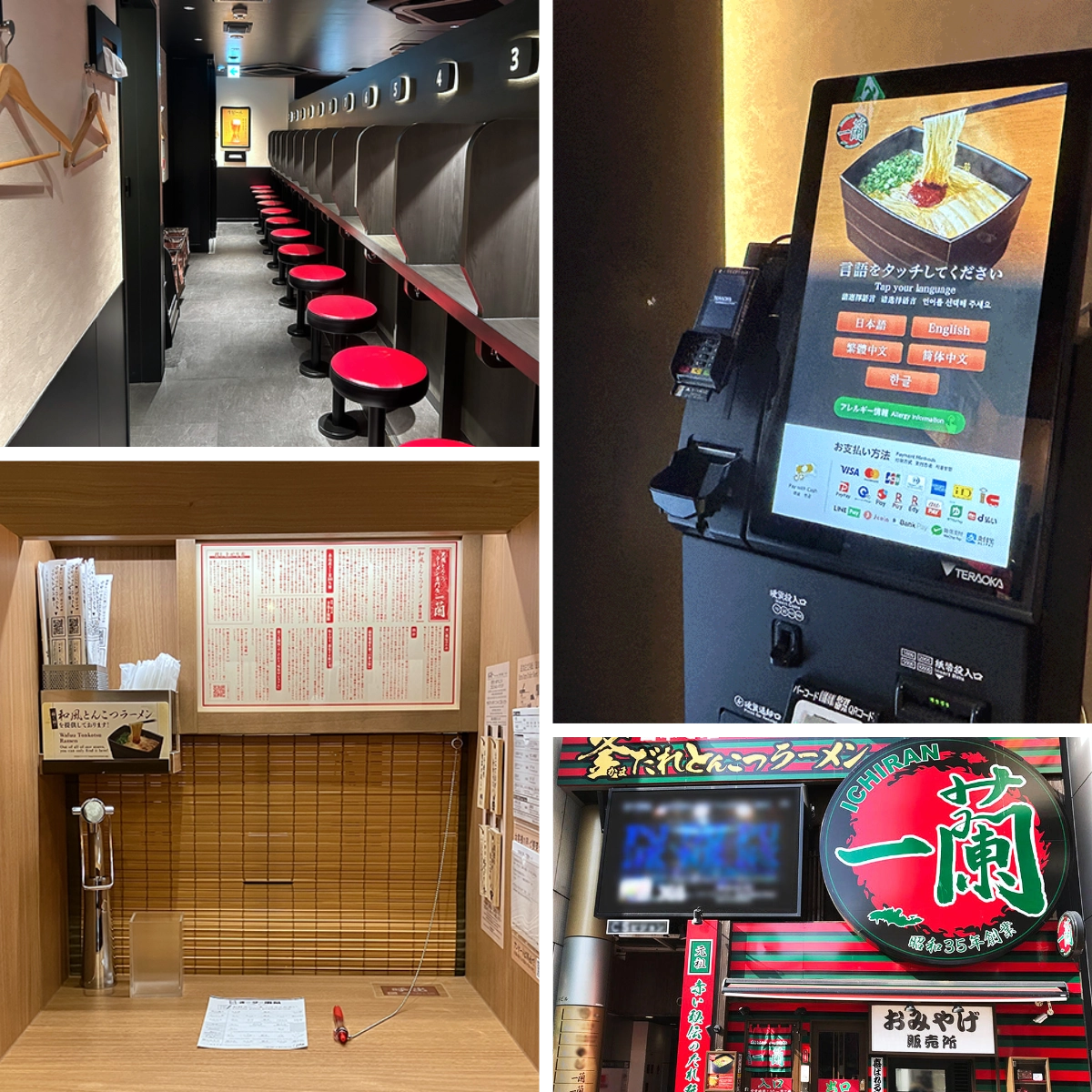
My first trip to Fukuoka, I was so excited to try its famous tonkotsu ramen that I dragged my mom, dad, and husband straight from the airport to a well-known ramen shop. At the entrance, instead of a host, we were greeted by a vending machine where you choose your ramen and toppings. We pressed buttons, collected our tickets, and followed the line inside.
We were guided single file into tiny cubicle seats, each divided by wooden panels. A bamboo screen blocked the view of the server. The design was clear: eat without talking to anyone.
When your ramen is ready, the screen flips up, hands slide the bowl in, and the screen drops. If you need anything, write it on a slip and push it forward. When you finish, you leave in single file, just as you came in.
My dad, half amused and half bewildered, compared the whole process to cattle:
"You walk in a line, you sit in a box, they feed you, you get kicked out… next!"
He laughed, but he wasn't wrong. The ramen was very good. But it felt more like a system than a meal.
Inside Ichiran. Individual ramen booths, ticket ordering, and a closed counter designed for solo dining. Image: Ichiran official website
In Milan, I found the opposite problem. I booked a small couscous restaurant for dinner, just for me. As I walked in, I noticed a woman lingering at the entrance, pretending to study the menu outside. The moment I stepped in, she followed right behind me.
The owner glanced at his reservation list and laughed softly: "Interesting. Tonight we have four people… all booked for one."
He looked at the two of us and asked, half joking, half hopeful: "Would you like to sit together?"
I agreed, mainly because it felt stranger to have four of us spread across the room, each isolated at separate tables, pretending not to notice each other. We ended up sharing a warm, unexpected dinner: two strangers connected because we happened to show up alone on the same night.
And then Chianti showed me what happens when a restaurant designs a meal to erase distance completely.
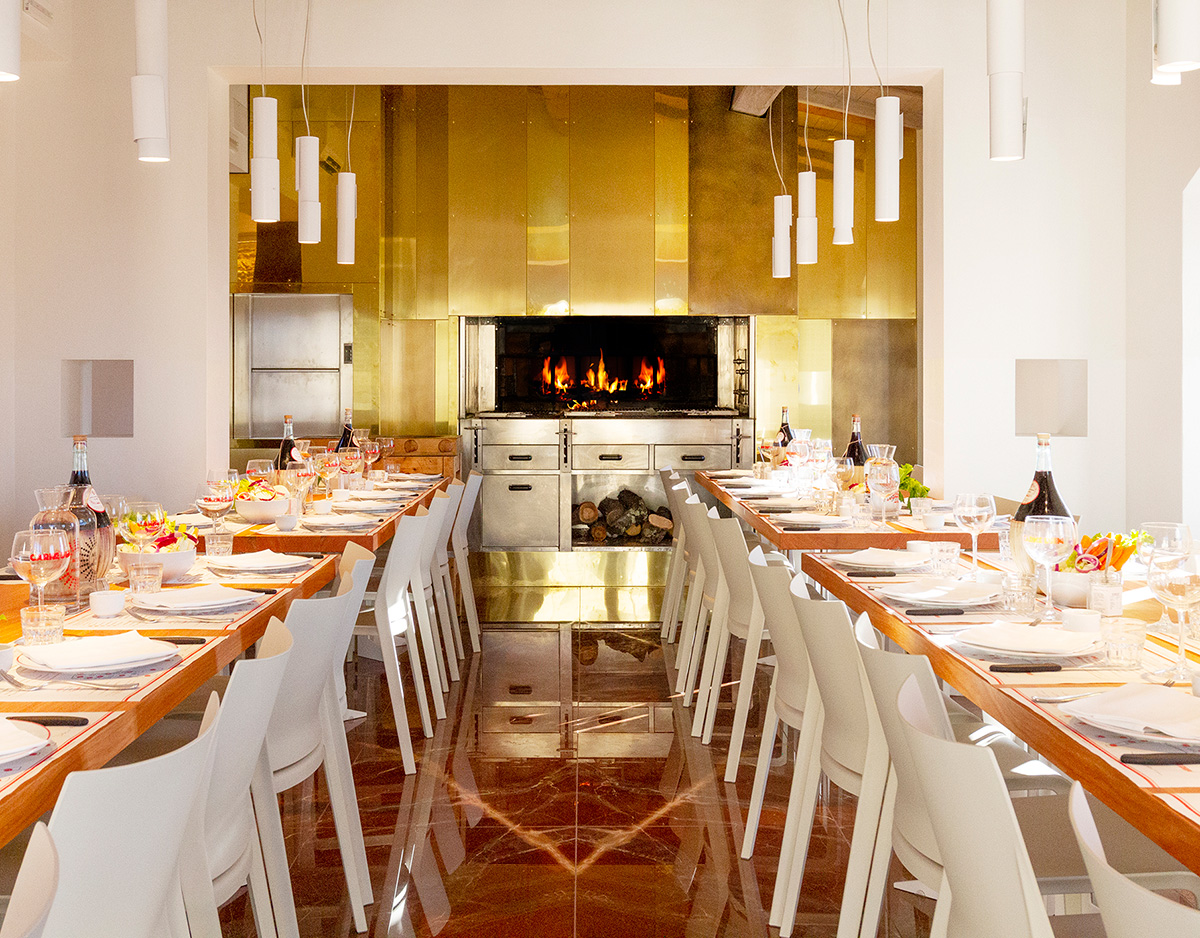
At Officina della Bistecca, the restaurant of Dario Cecchini, everyone sits at one long communal table. You don't sit beside your friend. You sit across from them, shoulder-to-shoulder with strangers. A huge platter of meat arrives, everyone slices from the same piece, and if it runs out, they bring more. No scarcity. Just abundance.
Very quickly, the table shifts. Strangers pour each other wine, pass plates, fall into easy conversation. The meal itself pushes you to interact. By the end of the night, we were a family. Young, old, from all over the world, gathered at one table.
Three meals. One designed to keep you alone. One where loneliness became an accident of connection. One where connection was the design.
Inside Officina della Bistecca in Panzano. Long communal tables. Image: Officina della Bistecca (official website)
Korea has a word for eating alone: honbap (혼밥). Along with honsul (혼술), drinking alone, it became almost a lifestyle term in the 2010s, a sign that solo moments were no longer something to hide. Cafés and restaurants now advertise themselves as honbap-friendly. You can grill samgyeopsal by yourself without nunchitbap (눈칫밥), that quiet self-consciousness about taking up a table meant for a group. One-person barbecue spots are everywhere, with individual grills and portions designed for exactly one.
But some meals resist the solo format. Grilling samgyeopsal, sharing banchan, shouting "geonbae!" with friends, those rhythms don't translate to a table for one. The food is built for company.
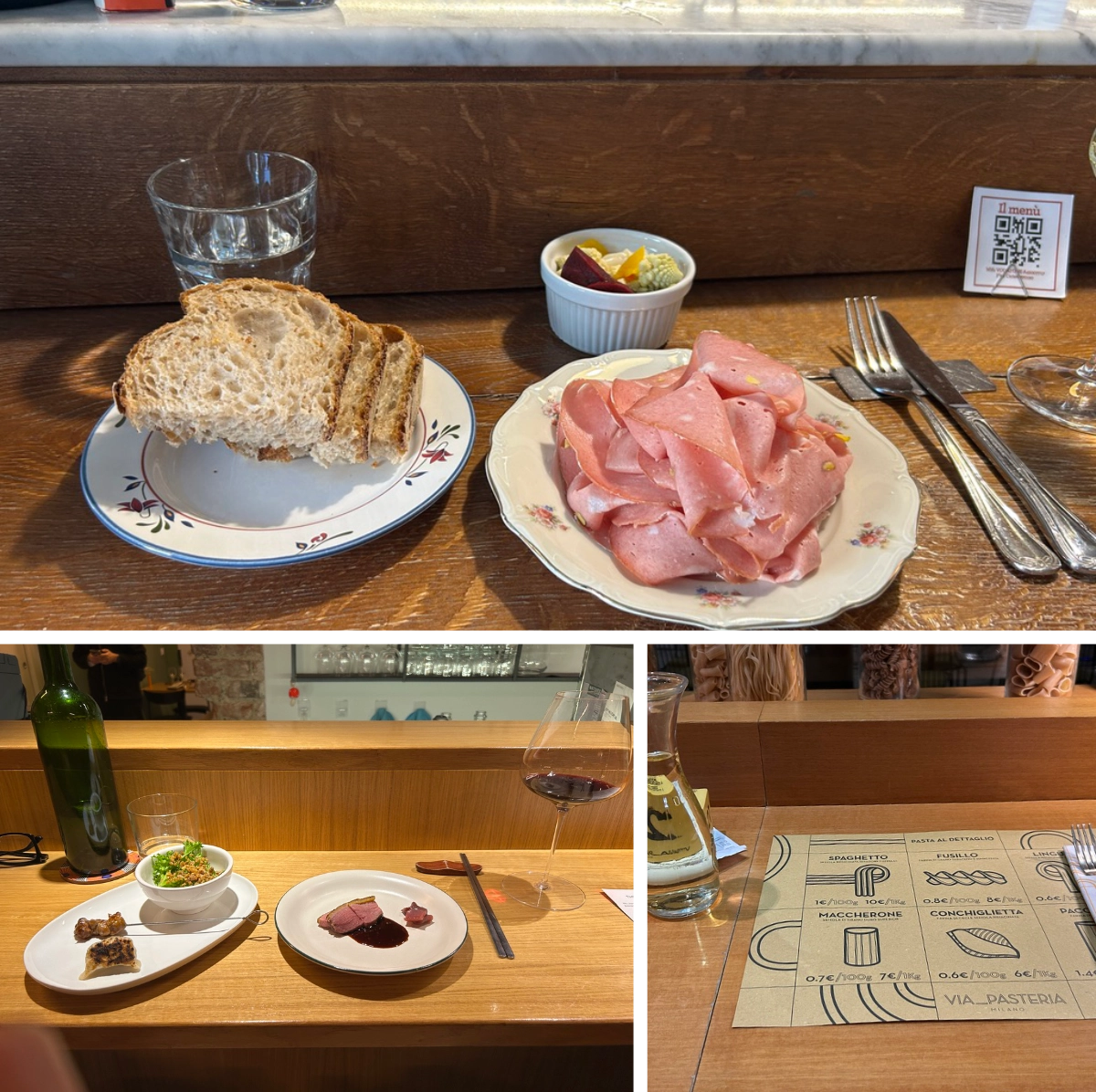
My favorite compromise is bar dining. A bar seat sits somewhere between being alone and being with others. Close enough to feel connected, separate enough to enjoy the meal at your own pace. The server moves in and out. A quick comment about the wine, a small exchange about the dish, then they disappear again. You're sitting inside their rhythm instead of outside it.
Bar-table dining. Small plates, bread and cured meat, wine, and a menu laid out for solo eating.Photo by the author
Some of my best meals happened this way. A seven-course tasting menu at a counter in Milan. Eating alone didn't feel awkward. It felt intentional.
After all those meals (alone, almost alone, unexpectedly connected), I began to notice something simple at home.
When I'm alone, cooking feels like a chore. But when someone else is there, even a simple dish gets plated, the table gets set. The meal has shape. Company changes the act of eating.
My parents feel this even more now. Retired, their days quiet and steady, my mom often says:
"먹는 게 일이지. 이렇게 아빠랑 매일 숟가락, 젓가락 놓고 차려 먹는 게 재미있다. 그거 아니면 뭐 있나? 그게 사는 거지." "Eating is the real part of the day. Setting down spoons and chopsticks with your dad. That's what I enjoy. What else is life, if not that?"
I understand her more as I get older. When my husband is on a business trip, I eat whatever is easiest. No table setting, no small rituals. There's nothing wrong with eating alone. But after a while, it's not the food you miss. It's the presence beside you, the soft clinking of dishes, the little comments that fill the space between bites.
The simple rhythm of eating with someone.
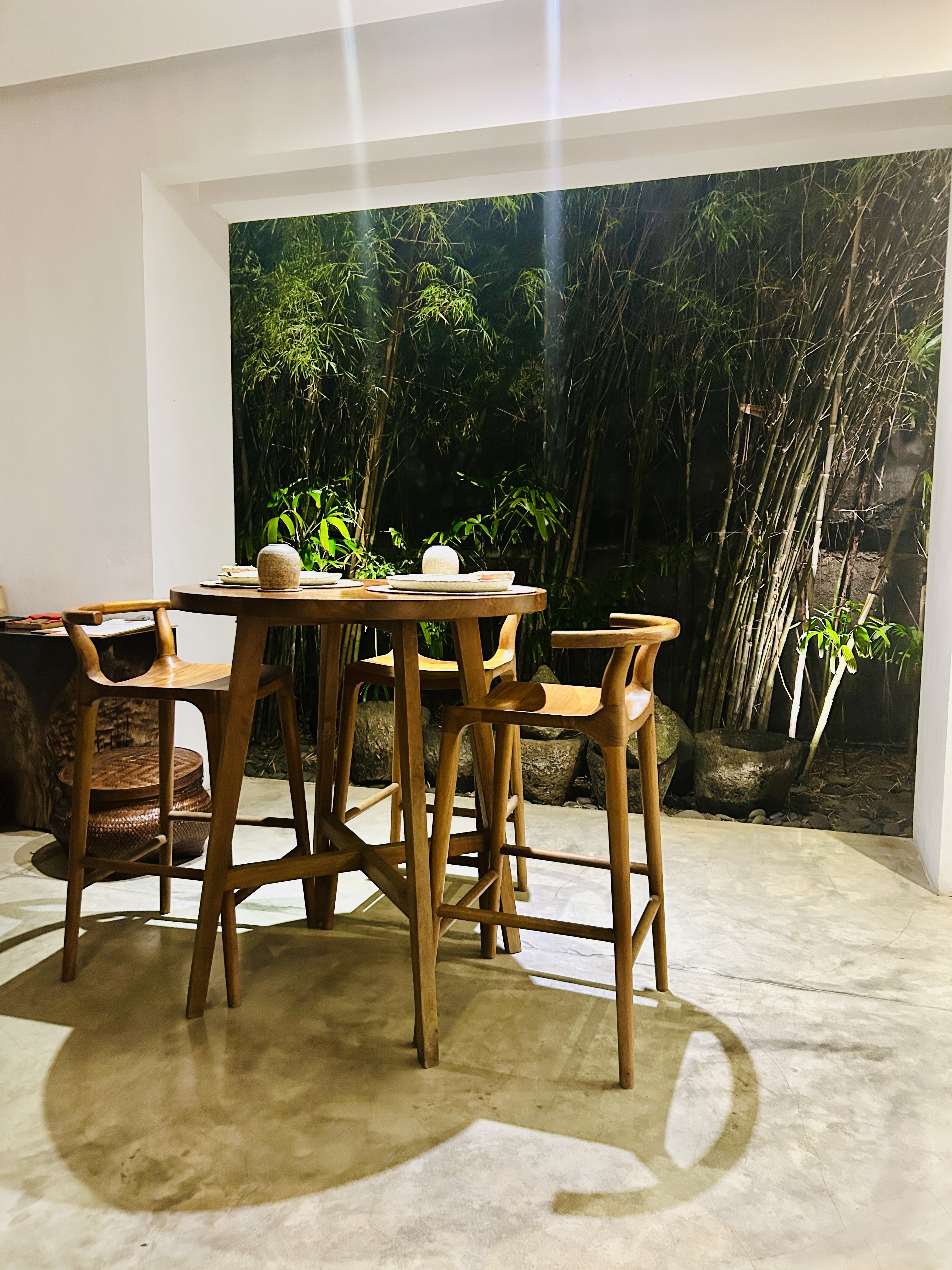
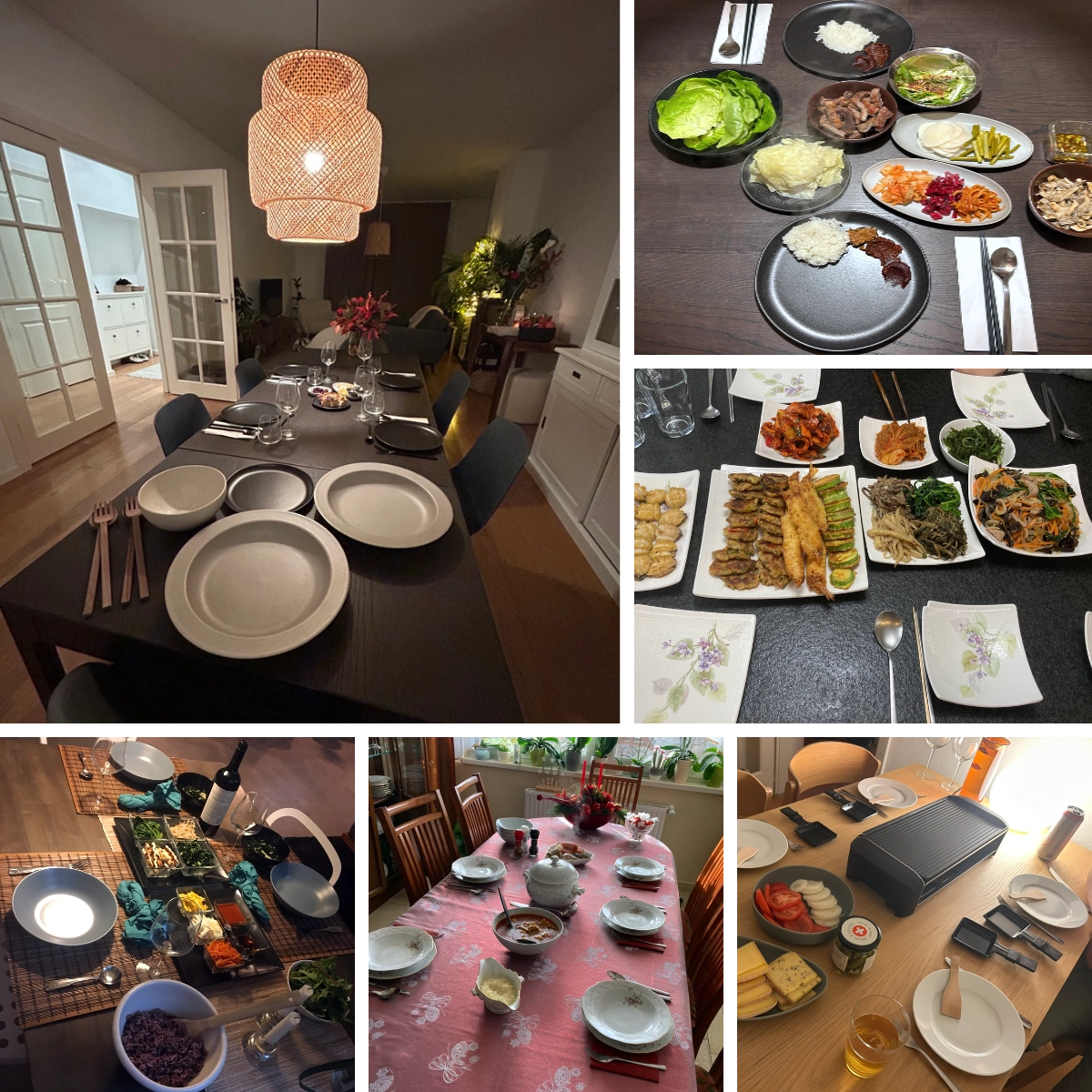
Empty plates, shared dishes, and the quiet excitement of getting ready to eat together.Photos by the author