Shared Flavors , Shared Memories
To Stink or Not to Stink
Some foods dare you before they feed you. Stinky tofu did both and in the process, taught me how openness (and love) can sometimes smell strange at first.
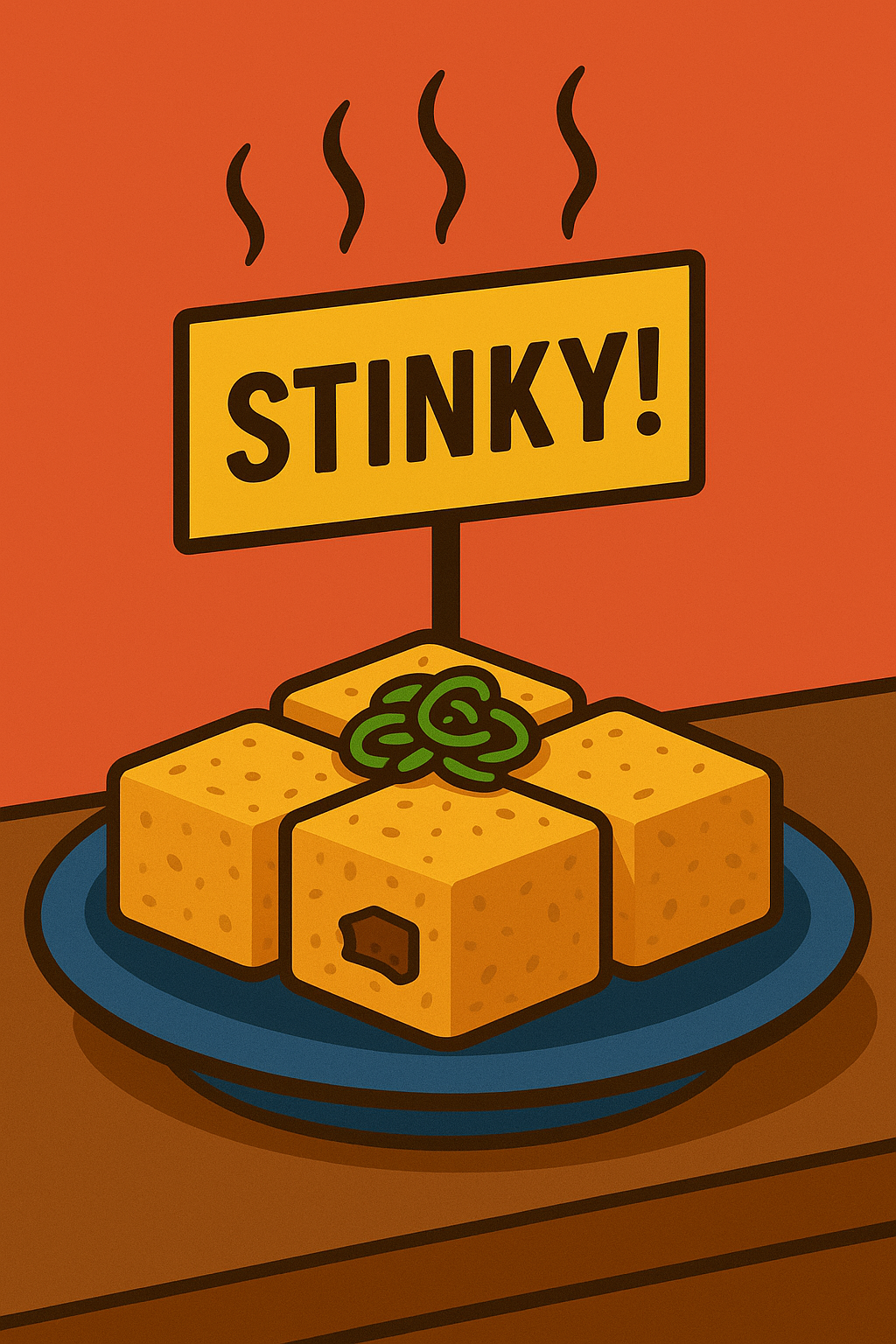
Some foods dare you before they feed you. Stinky tofu did both and in the process, taught me how openness (and love) can sometimes smell strange at first.

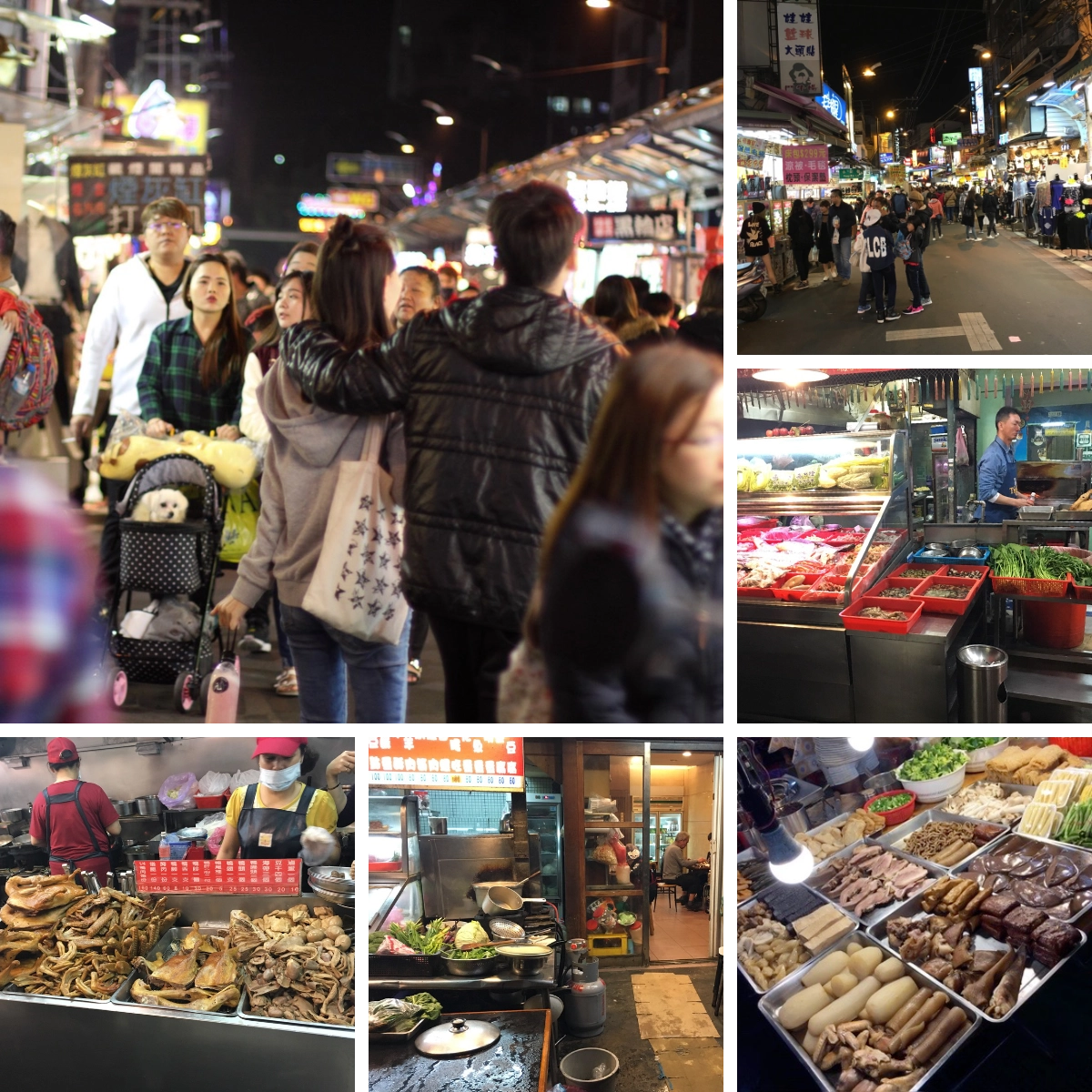
Taipei is a food lover's dream, but not a gentle one. It dares you. Choices spill from every corner, sizzling, steaming, slurping. The air is thick with flavor. And then, out of nowhere, a smell hits you. Sharp, sour, unmistakable.
I thought it was a sewage leak.
It wasn't. It was stinky tofu, chòudòufu (臭豆腐), a local favorite with a smell that announces itself before you even see the stall.
I first tried it while falling in love with a man who has since become my husband. I watched him walk through that crowded market with genuine curiosity, trying everything offered, including the tofu that nearly made us both gag.
But what struck me most was how he approached it. No jokes. No dramatics. Just the quiet belief that if something matters to someone else, it's worth honoring.
That moment stayed with me longer than the taste.
I grew up hearing Koreans apologize for the smell of kimchi. A scent so normal to us, yet often described as unpleasant by people unfamiliar with it. Many Koreans became self-conscious, worried it would mark them as different or impolite.
Even now, I still hear stories. A friend recently came over to cook for me, and the first thing she asked was whether my neighbors ever complain about food smells. She had just had an uncomfortable encounter in her own building. Someone knocking on her door to complain that the hallway "smelled like curry."
And it's not just strangers. These conversations happen inside families too.
A Korean woman I know, married to a Dutch man, told me how her husband didn't like storing kimchi in the same fridge as cheese because "the cheese absorbs the smell." They ended up buying a second fridge just for kimchi. She laughed as she told the story, but it was the kind of laughter that sits on top of something heavier.
That's the thing about smell. What feels "too much" in one place is treasured in another. Every culture has its bold-smelling treasures: hongeohoe (홍어회) in Korea, surströmming in Sweden, durian across Southeast Asia. These foods were born of preservation, shaped by climate and scarcity. Survival turned into flavor. Discomfort turned into pride.
To judge them by smell alone is to miss the story.
I think back to the night market in Taipei. The steam rising, the din of voices, the bravery it took to try something that repelled me. My husband's quiet gesture, a small act of openness that felt, somehow, like love.
In the end, it wasn't the taste that stayed with me. It was the willingness to stand in someone else's story, even when it smelled strange.