Shared Flavors , Shared Memories
Haejang: Drink, Sweat, Repeat
I made her spicy Korean food with no compromises. A few glasses of wine in, we realized our two countries have been running the exact same hangover cycle our whole lives.
I made her spicy Korean food with no compromises. A few glasses of wine in, we realized our two countries have been running the exact same hangover cycle our whole lives.

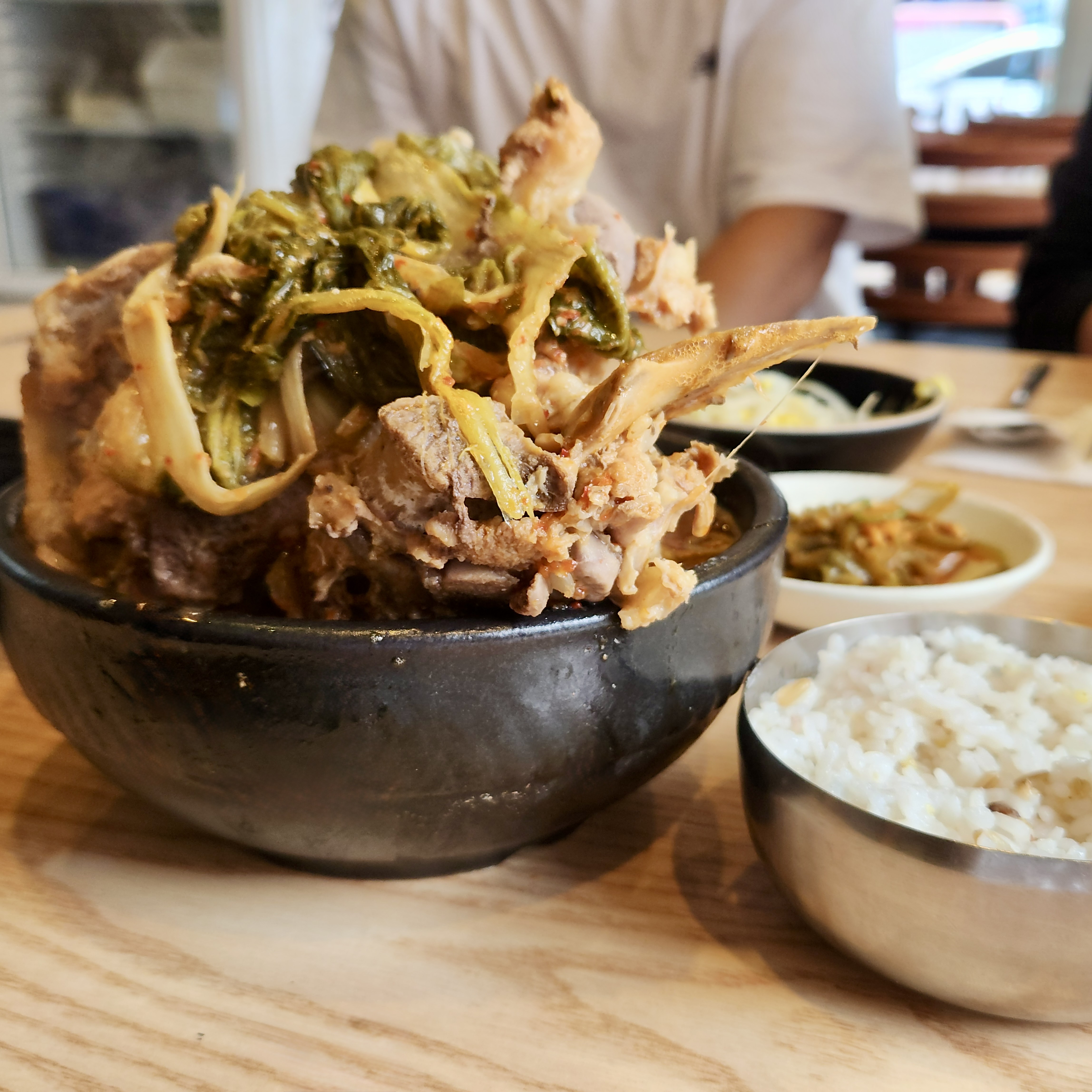
I invited a friend over for dinner and decided to make the food I actually eat, not a tone-down version. I made dakbokkeumtang (닭볶음탕), properly spicy, with kimchi and ssamjang on the side, so we could eat it as ssam too. She ate all of it without flinching, one of the only friends I'd made here who could really handle heat. A few glasses of wine in, it was only natural our conversation led us to the next topic: drinking. It turned out, we understood each other very well there. Koreans drink seriously. Cameroonians, she told me, do the same. Whenever she visits home, her brothers welcome her with crates of Cameroonian beer, which, she said, gives her a huge hangover the next day. And after drinking too much, both of us had been taught the same cure.
Soup.
For her, it was peppersoup. Pepper is the must-have ingredient, hence the name. The protein can change from fish to bushmeat, but it has to be spicy. Spicy enough to sweat out whatever the night before had done to you. Wherever people were drinking, she said, pepper soup was always somewhere nearby. Some bars serve it, and restaurants serve drinks alongside it. After a few spoonfuls, you start to feel a little better. Then you start thinking a glass of beer might cure you completely. So it begins: drink, suffer, soup, sweat, consider one more, and repeat.
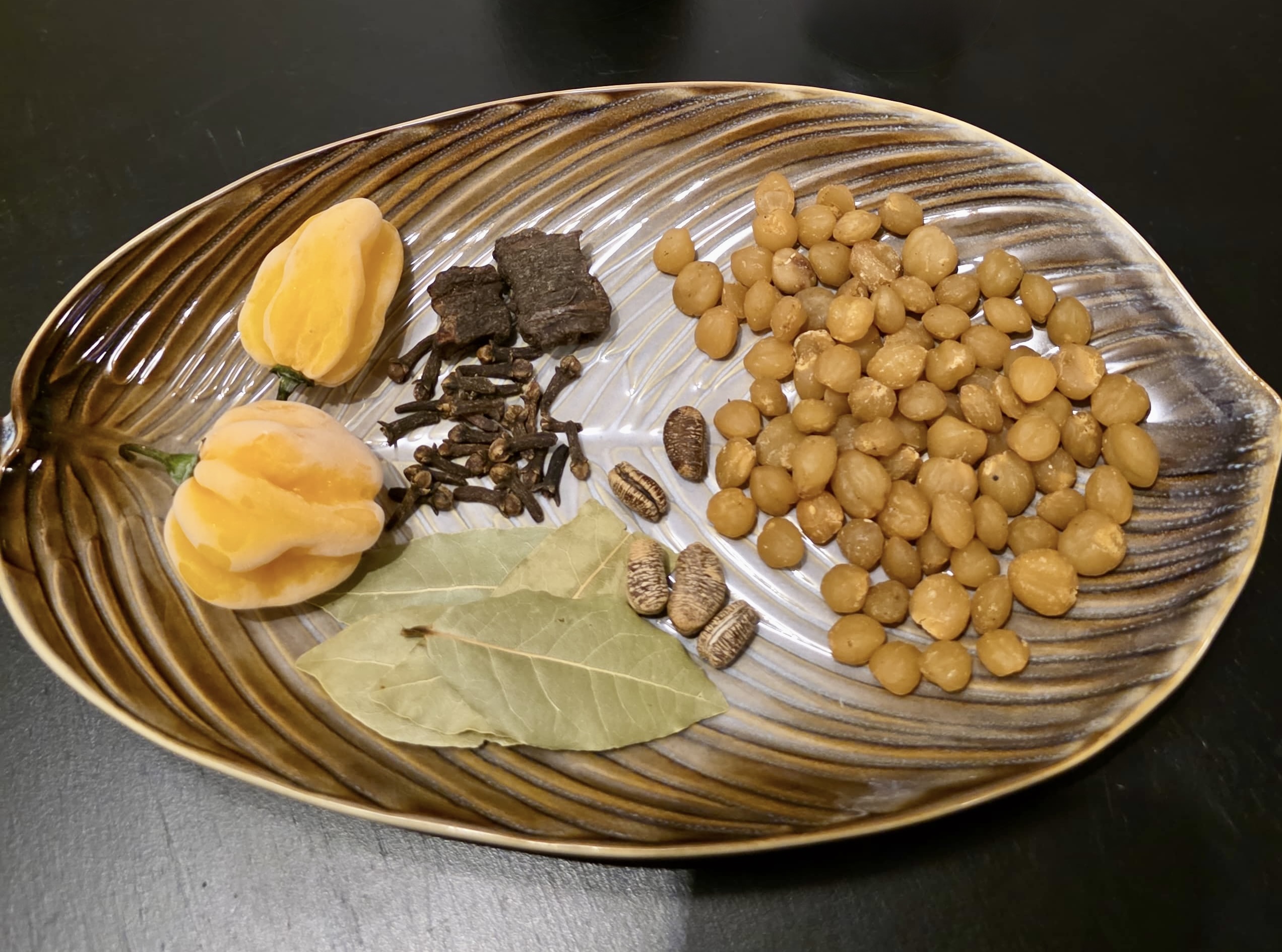
I laughed because I knew the logic exactly. I come from a soup-loving country, so of course soup made sense to me as a hangover cure. A croissant could never do that job. A slice of pizza could help, maybe, but it could not reach the same place. In Korea, we even have a name for soups made for this purpose: haejangguk (해장국), from haejang, the curing of a hangover, and guk, soup.
Pho has done that job for me in the US. Vietnamese restaurants became the place for my Sunday ritual, especially the mornings after a late night out. You could see many other Asians doing the same thing, sweating over a bowl of salty, almost boiling hot noodle soup. You add spicy pepper to make yourself sweat even more. It is not exactly comfortable. You wipe your face, blow your nose in between, a bit self-conscious, trying not to make too much noise, and watch as napkins pile up. You don’t know whether you are eating the soup or the soup is eating you. Either way, at least for me, it gave instant relief.
In Korea, the version carrying the most story is bukeokguk (북엇국), made with dried pollock, bukeo. Part of the prep was beating the dry fish with a stick to soften it before it went into the pot. They say the beating was also a wife’s way of releasing her anger at a husband who would come home late and drunk, and yet, she would still make him soup. The anger and care mixed in the same pot. That oddly morning ritual seems harder to imagine now. Your next-door neighbors probably wouldn’t enjoy hearing the sound of fish being beaten with a stick first thing in the morning. Luckily for your neighbors, instant bukeokguk now comes in a cup: hot water poured in, ready in three minutes. No beating required.
Bukeokguk is one of the lighter versions of haejangguk, with a clean, clear broth, but that’s not all there is to it. There are other kinds that are thicker, fattier, and spicier, often built around animal parts like intestines, blood cake, or pork bone. Cheap, less-desired cuts of meat mostly, maybe some leftover vegetables from the market back then. The kind of ingredients that need time. After a long boil, sometimes overnight, the chewy parts soften, the fat melts into the broth. Whatever the ingredients may be, one thing stays common. They all arrive boiling hot, still bubbling in a ttukbaegi (뚝배기). They warn you it is hot, but you don’t wait for it to cool. You need that first spoonful of broth immediately. You try to be careful, blowing on it a few times so you don’t get burned. More often than not, though, you end up with a blister inside your mouth anyway.
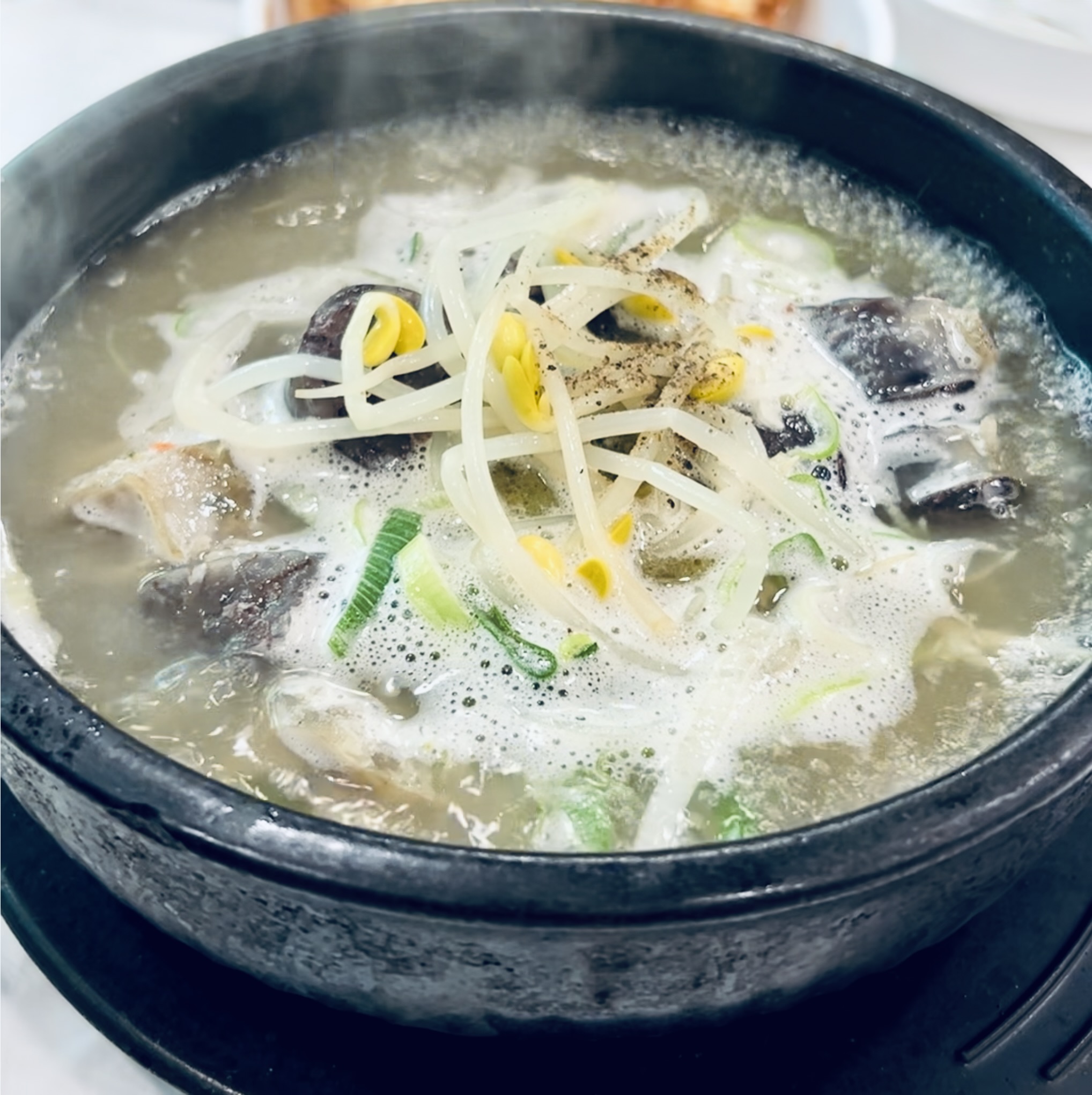
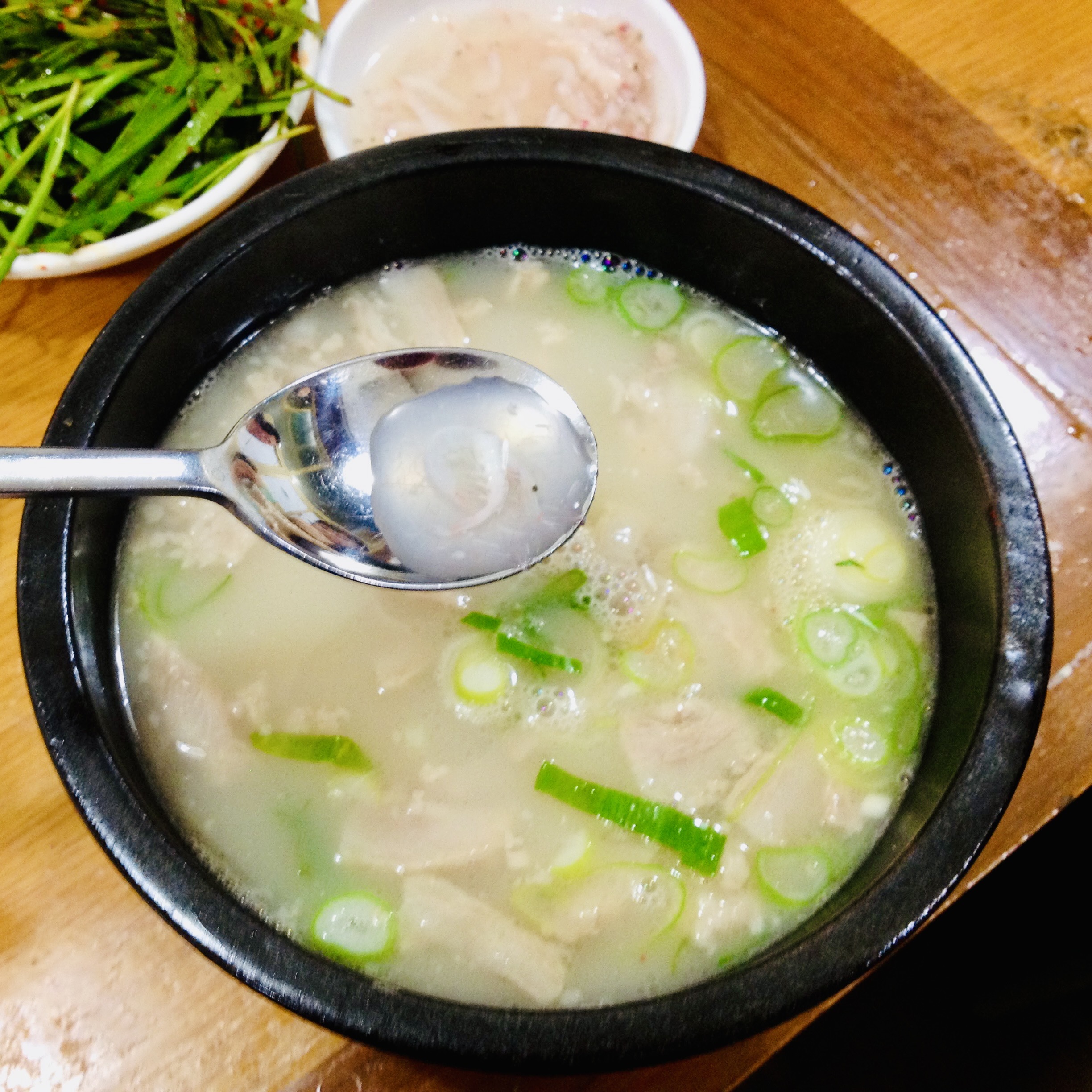
After a few spoonfuls of the long-boiled broth, you start to feel like you are getting your life back. Then you decide you need a little more of the soju that gave you the hangover in the first place. Just to finish the job. At some point, haejangguk becomes sulguk (술국), literally "alcohol soup,” the kind of soup meant to be eaten while drinking. Just as beer appears next to pepper soup, soju appears next to haejangguk. Sometimes you don’t even know what came first: the pepper soup or the beer, haejangguk or soju. The line gets blurry. You drink too much, suffer a little, eat hot soup, sweat it out, consider one more, and repeat.
We weren't confessing or anything. It was just funny. But there was comfort in it too. Turns out, someone on the other side of the world has been doing your exact dance for their entire life. We were laughing so hard that we didn’t realize how late it had gotten. It was almost everyone’s bedtime. After many glasses of wine, we knew what our bodies needed: pepper soup or bukeokguk. Maybe a little more wine, please!